
How should first-time fundraisers approach family office investors?
First-time fundraisers should approach family office investors by listening first, tailoring their message, preparing concise materials, and building trust. The core mistake is pitching before understanding what the investor wants. Your job is to match your offering to their stated interests, not to convince them to change their strategy. Start by adding value, not asking for a check.
Family offices are professional investors managing significant, often multi-generational wealth. They have specific mandates, risk tolerances, and investment themes. They receive hundreds of solicitations. To stand out, you must demonstrate professionalism, clarity, and an investor-first mindset from the very first interaction.

Listen before you pitch
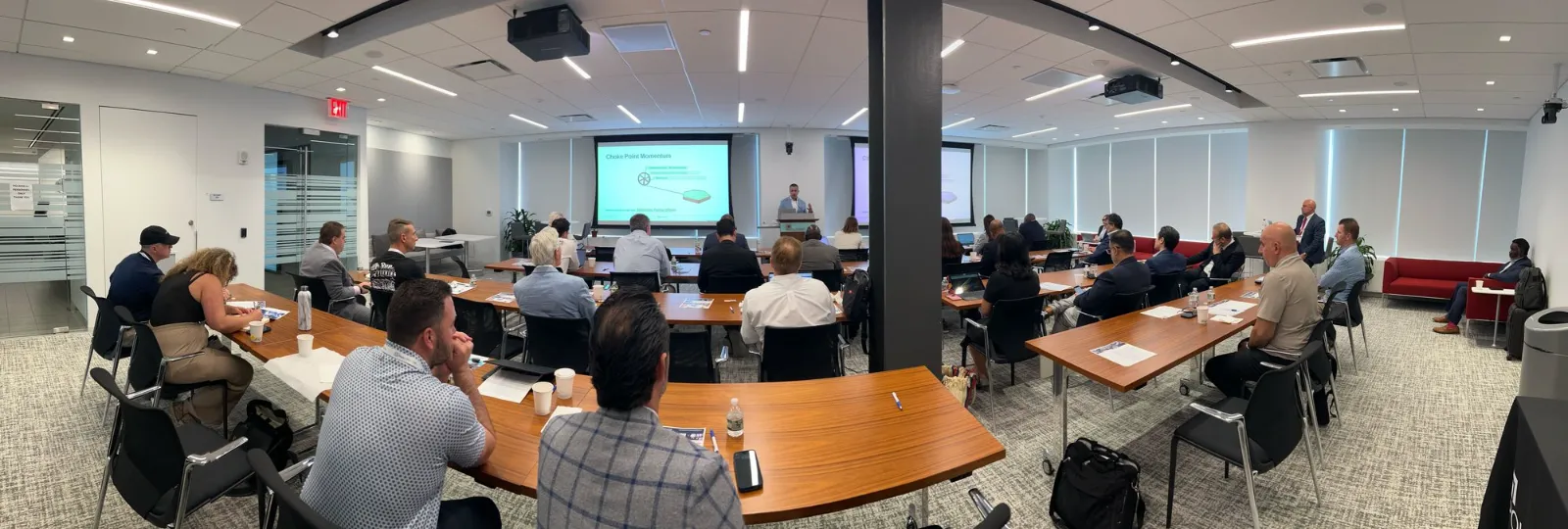
Do not lead with "Are you an investor?" This puts the family office representative on guard immediately. Instead, listen to what they say they are looking for. Attend events where family office principals or investment officers speak. They often share their investment criteria, sector preferences, and deal structure requirements on stage.
As Richard C. Wilson notes, "make sure you don't miss investors on stage saying exactly what they want." This is free, direct intelligence. If a family office executive says they are actively looking for direct co-investments in industrial real estate in the Southeast, and that is what you offer, you have a relevant entry point. If your fund is in biotech venture capital, they are not your target for this pitch. Listening allows you to qualify your outreach and avoid wasting everyone's time.
Tailor your core message
Your one-liner and your one-page summary are your most important tools. They must be adapted for your audience.
Craft a clear one-liner. This is a single, well-practiced sentence that explains what you do and why someone should work with you. As shared in the $100M Rainmaker Series, "You should have a one sentence well spelled out, one liner saying what you do and why someone should work with you in the two or three compelling reasons."
This sentence should change based on who you're talking to. The wording you use for a cardiac surgeon angel investor will differ from what you use for an institutional pension fund or a multi-family office. For a family office, emphasize aspects like alignment, long-term horizon, transparency, and the specific asset class or geography they target.
Prepare a one-page summary. An investor club organizer told Richard he would not even look at a deal without a one-page summary. This is a non-negotiable document. It is a one-sided PDF that distills your pitch deck into the most compelling visuals and facts. It should cover the investment strategy, the team's track record, target returns, key risks, and the investment process. The more valuable the investor, the less time they have. A concise one-pager respects that.
Build trust by putting investors first
Trust is the currency of family office investing. These are not anonymous LP commitments; these are relationships with individuals representing their family's wealth. Two practical ways to build trust are through your deal structure and your follow-up approach.
Structure deals where investors eat first. A common mistake first-time fundraisers make is structuring a deal so that they take fees or carried interest before investors have seen a return. A speaker at a family office event framed it simply: he eats last so his investors eat first. Align your economics so your success is directly tied to the investor's success. This demonstrates partnership and long-term alignment.
Add value first and be politely persistent. Nobody owes you a response to an email. Your initial outreach should offer something of value - an insightful article, a relevant introduction, or a piece of market analysis - without an immediate ask. If you get a "no," seek to understand why. Ask clarifying questions: Is it the fund structure? The asset class? The timing?
Persistence, done politely, is required. You need to add value first. Then, be consistently professional in your follow-up over time.
Practical checklist for first-time fundraisers
- Listen and research. Before any contact, know the family office's publicized investment themes, portfolio, and key decision-makers. Use public speeches, websites, and databases to gather intelligence.
- Develop audience-specific materials. Craft a distinct one-liner for the family office audience. Prepare a professional one-page summary PDF that can be emailed independently of a full deck.
- Lead with value. Your first email or connection should offer something useful - a relevant data point, a market observation, or a connection - not a pitch.
- Prepare a concise pitch deck. If you progress to a deck, keep it to 12-19 pages. Include a short (2-5 minute) founder video articulating the strategy and team credibility.
- Propose investor-aligned terms. Structure your fund or deal terms so that investor returns are prioritized. Be prepared to explain how your economics demonstrate alignment.
- Systematize follow-up. If you don't get a response, follow up every 4-6 weeks with a new piece of value or insight. If you get a "no," politely ask for specific feedback to learn and potentially refine your approach.
- Professionalize your presence. Use a business domain email address. Ensure your LinkedIn profile and company branding are clear and professional, instantly communicating what you do.
Related questions
How did Thomas attract investors to his small business bank? Why Influence Matters in Capital Raising How a Private Credit Lender Built His Business
Informational only, not financial, legal or tax advice.
From Richard's exclusive Billionaires.com interviews
Lessons from Richard C. Wilson's one-on-one interviews, as published on each interview page.
- Michael Lee-Chin: Learn from the best role model. Find the best role model in the world and ask how they did it. Then follow their recipe exactly without changing it.
- Serg Bell: Success comes from many decisions. He does not see business as one winning bet. He sees it as a long game, like poker or bridge, built on many smart choices over time.
See the data
Sources
Quotes are copied from the video captions and checked against the transcript. Timestamps link to the moment in the video. General information only, not legal, tax or investment advice.