
How can a family office partner with investment managers it finds through deal flow?
This page is for family offices and investment managers who meet through deal flow or events and are considering a co-GP partnership. It uses an interview example to help both sides frame early discussions about who contributes capital, how managers are identified, and whether their aims align.
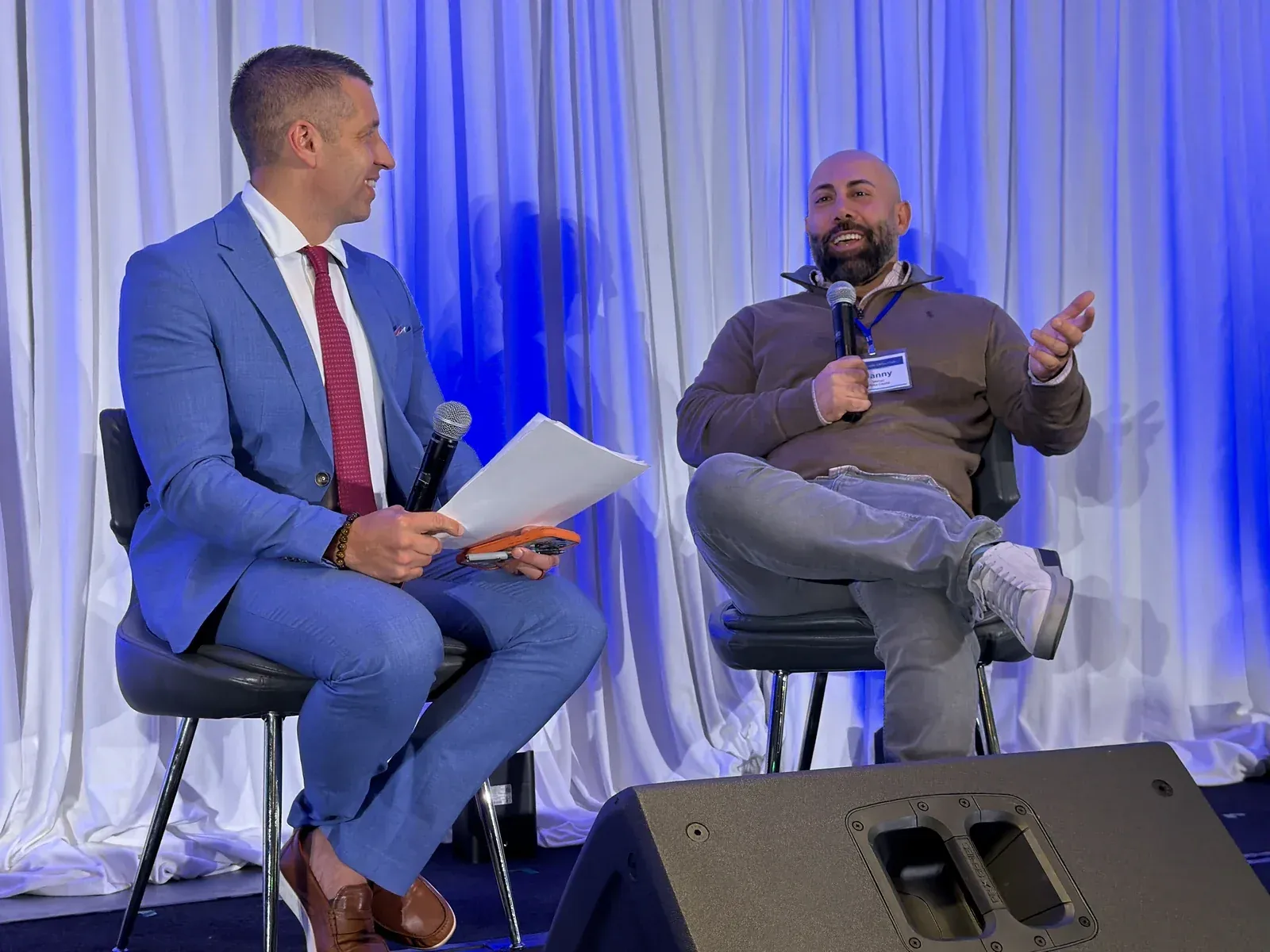

What the interview describes
Richard C. Wilson describes a family office providing capital while he identifies investment managers through his event community. The parties were considering a co-GP structure, which would let the family participate at the investment partnership level rather than enter as a passive LP. The interview presents this as a possibility under consideration, not a completed deal or a standard arrangement.
At 11:43, the interview turns to that example. It does not specify the investment, the managers, or proposed governance and economic terms.
Questions to settle before proceeding
Use the example to make the initial conversation concrete:
- Contribution: What will each party bring? The example names capital from the family office and manager identification through Richard's event community.
- Scope: Which investment managers or opportunities are in view?
- Roles: What work would each party take responsibility for? The interview example does not define operational duties or decision rights.
- Alignment: Whom does each party want to serve? At 54:09, Dan Sullivan recommends checking whether a collaborator wants to help serve the same people.
- Those need discussion and appropriate professional review before any agreement.
These questions help separate what the interview actually describes from details it leaves open. The quote on this page captures Sullivan's collaboration principle: "The best collaborations are actually between a unique ability simplifier and a unique ability multiplier."
How to continue
Watch the relevant portions of Family Office Club presents Dan Sullivan Interview by Richard C. Wilson. The co-GP example starts at 11:43, and Sullivan's collaboration advice starts at 54:09. Use those sections as context for a discussion between prospective partners.
Frequently asked questions
What does the family office contribute in the example?
Capital. Richard says he would identify investment managers through his event community.
What does Dan Sullivan suggest looking for in a collaborator?
He suggests checking whether the person wants to help serve the same people. His advice is about shared purpose, not a substitute for assessing deal terms.
From Richard's exclusive Billionaires.com interviews
Lessons from Richard C. Wilson's one-on-one interviews, as published on each interview page.
- Anu Aga: Focus on one main cause. Her family found its giving more satisfying and impactful once it chose primary education for the underprivileged in India.
- Binod K. Chaudhary: Never chase a deal out of desperation. Stay cool and look at every part of the deal. Have your advisers and your finance team review it critically. Your counsel should review it too.
- Larry Connor: Learn from every mistake. Larry's team owns its failures and makes no excuses. They learn, change quickly, and keep getting better.
See the data
Sources
Quotes are copied from the video captions and checked against the transcript. Timestamps link to the moment in the video. General information only, not legal, tax or investment advice.