
How can founders get a family office to review their investment pitch?
To get a family office to review your pitch, you need to fit their focus and respect their time. Investors say to research their public themes first. Your first email should plainly explain what your company does and include a concise PDF deck or one-pager. A warm introduction helps, but a clear, professional cold contact can work if you demonstrate you've done your homework.
Family offices are small, busy teams managing significant capital. They get countless pitches. Your goal is to make their initial review as easy and relevant as possible. This means sending materials that are tailored, complete, and immediately understandable.
Research their investment focus first
A family office investor said that even an hour of research can help you understand the themes they discuss publicly. They said a pitch outside that focus suggests the sender has not done the research.
Many family offices publish their investment themes on their websites, in interviews, or in industry profiles. Look for keywords like "direct investments," "real assets," "healthcare innovation," or "sustainable technology." If an office consistently talks about investing in operating businesses in the Midwest, a pitch for a coastal tech startup is likely a non-starter. This basic filter is your first and most important step.
Craft a clear, concise first email
The same investor asked for a plain explanation of what the company does and a PDF deck, so the investor can make an initial decision about fit without asking for more materials.
Your email subject line should be specific: "Investment Pitch: [Your Company Name] - [Brief Value Prop]." The body should be short. State who you are, what your company does in one sentence, and why it aligns with the family office's stated interests. Attach your one-pager and deck. Do not force them to click a link to view materials or schedule a call to hear the basics. The email should allow for a silent, quick review.
Use a one-pager as your front door
A healthcare-focused investor said a one pager can help when technical terms make a long deck hard to digest. They recommended stating the problem, solution, what differentiates the company, and the market size.
The one-pager is a single-sided PDF that acts as a teaser. It must stand alone. Include:
- The problem you're solving.
- Your solution.
- Your competitive edge or technology.
- The market size and opportunity.
- Brief team bios highlighting relevant experience.
- Basic financial ask and use of proceeds.
This document is often the only thing reviewed in the first pass. Make it skimmable in 60 seconds.
Prepare a professional, brief pitch deck
Richard C. Wilson said, "the more valuable the investor you go after, the less time they have. So your materials need to be very concise... it means a 12 to 19 page pitch deck."
A long, dense deck is a common reason for immediate rejection. Your deck should follow a logical flow: Problem, Solution, Why Now, Market, Product, Business Model, Team, Traction, Financials, Ask. Every slide should have a clear headline and minimal text. The deck expands on the one-pager; it shouldn't repeat it verbatim.
Be open to discussion on deal structure
From Richard's $100M Rainmaker Series: "If you want to get more deals done, you have to be open-minded to [custom structuring]. Today, there's a family office investing with someone here they met at the Super Summit, and they want to put in the full $2.1 million that that company is raising. And they only wanted to raise $700,000 right now, but they need $2.1 million over a year."
Family offices often want to tailor investments to their specific needs - liquidity preferences, check size, or special terms. Signaling flexibility, or asking about their structural preferences early, can make your pitch more attractive. It shows you see them as a partner, not just a check.
Follow up politely and persistently
From the same series: "over time you're being politely persistent that you're following up. If somebody says no... we asked them exactly why they said no, and then we follow up."
If you don't hear back, a single follow-up email after 10-14 days is acceptable. If you receive a "no," it's appropriate to ask politely if they can share a reason (e.g., "Was it a matter of fit, strategy, or timing?"). This feedback is invaluable. It also keeps the door open for future opportunities that might align better. Do not pester, but do not disappear after one attempt.
A practical checklist for your pitch
- Research Fit: Identify 2-3 specific reasons why your company aligns with the family office's published investment themes.
- Create a One-Pager: Draft a single-page PDF that clearly states the problem, solution, differentiation, market, team, and ask.
- Trim Your Deck: Reduce your pitch deck to 12-19 slides focused on clarity and impact.
- Draft the Email: Write a short email (under 150 words) with a specific subject line, a one-sentence company description, alignment statement, and attachments.
- Gather Materials: Have your one-pager, deck, and any relevant technical summaries or data sheets ready to send as PDFs.
- Plan Your Follow-up: Note a date for a polite, single follow-up if you receive no reply.
- Prepare for Structure Talk: Be ready to discuss how the investment could be structured to meet the family office's needs.
Following these steps won't guarantee a yes, but they will significantly increase your chances of getting a serious first review. The process demonstrates professionalism, respect, and a genuine desire to build a potential partnership.
Informational only, not financial, legal or tax advice.
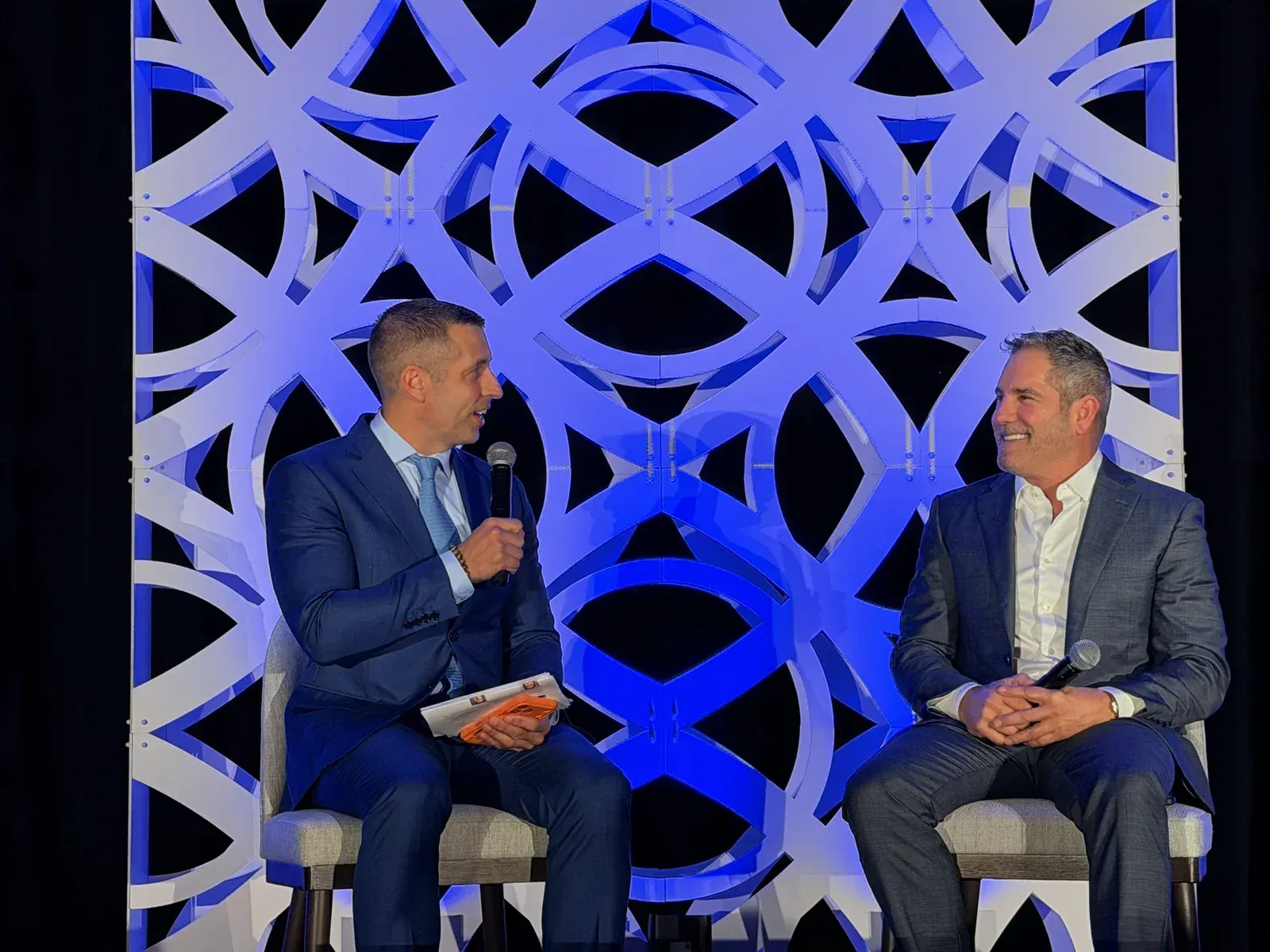

From Richard's exclusive Billionaires.com interviews
Lessons from Richard C. Wilson's one-on-one interviews, as published on each interview page.
- Anu Aga: Focus on one main cause. Her family found its giving more satisfying and impactful once it chose primary education for the underprivileged in India.
- Binod K. Chaudhary: Never chase a deal out of desperation. Stay cool and look at every part of the deal. Have your advisers and your finance team review it critically. Your counsel should review it too.
- Larry Connor: Learn from every mistake. Larry's team owns its failures and makes no excuses. They learn, change quickly, and keep getting better.
See the data
Sources
Quotes are copied from the video captions and checked against the transcript. Timestamps link to the moment in the video. General information only, not legal, tax or investment advice.