
How Family Offices Evaluate Fundraising Opportunities
A family office can bring more than capital. It may offer industry knowledge, manufacturing capabilities or useful relationships. For founders, that creates a practical question: how do you show that your opportunity fits the investor, and what can you offer beyond a financial return?
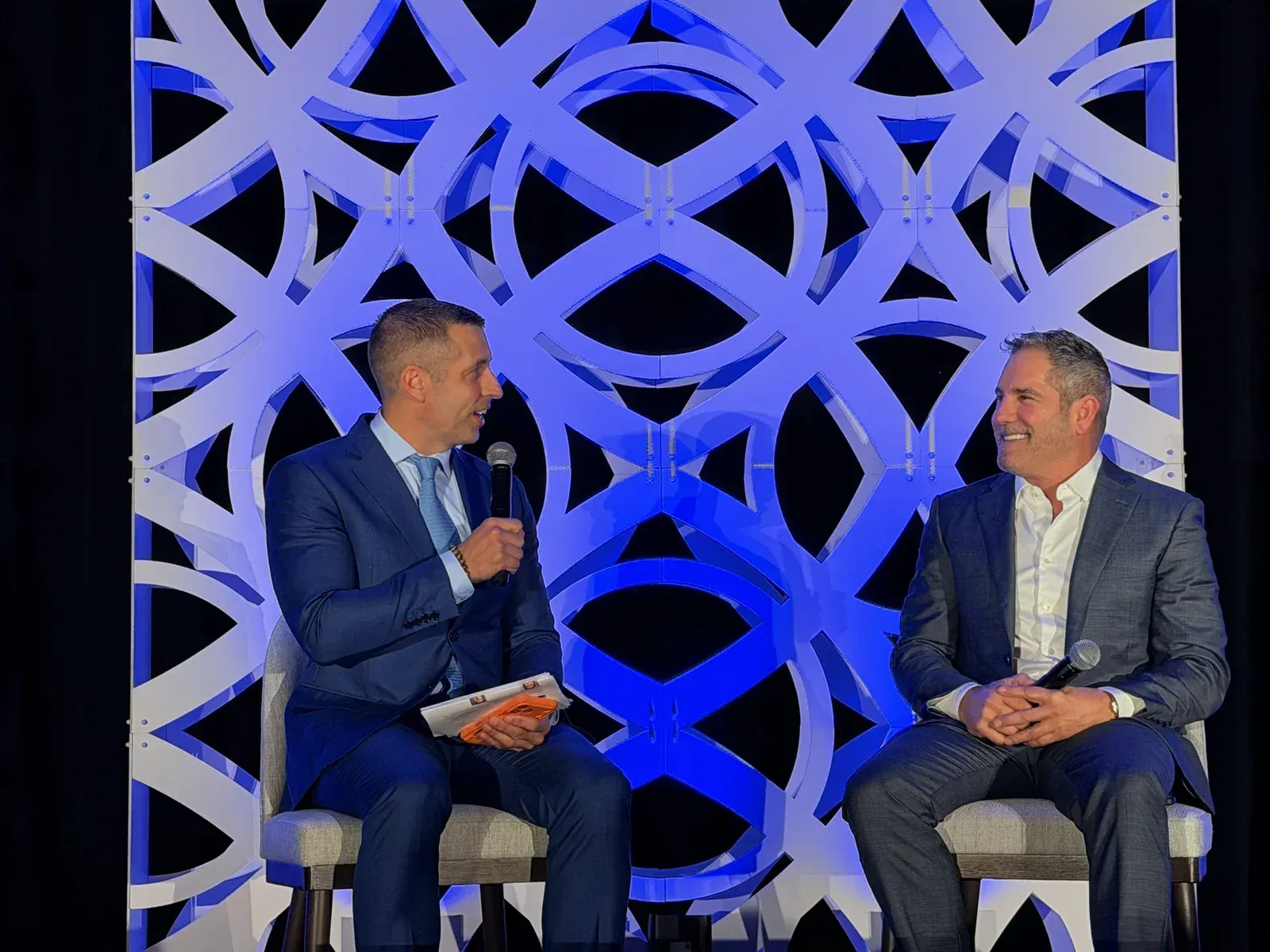
In this recorded talk, a second-generation family office investor uses drone company cases to discuss strategic fit, valuation, diligence, introductions and disclosure. Richard C. Wilson introduces the presentation and closes with remarks about Family Office Club. The examples offer founders a way to think through both sides of a fundraising conversation: what an investor can contribute, and what evidence the investor needs before committing.
Look for fit beyond the check
The speaker describes a family office that began investing in oil and gas and other natural resources, then evaluated drone companies. One case involved a European drone company whose technology the office brought to the United States for manufacturing. The example shows how an investor's capabilities may matter alongside its capital.
The talk also discusses BRINC. The family office passed when the company was too early for it, then saw a possible strategic partnership because both were involved in drone manufacturing. A pass on an investment does not necessarily end the relationship. Founders can ask what would make a future partnership useful, even when timing or stage does not fit.
Before approaching an office, research its investments and areas of interest. The speaker recommends using introductions through conferences or LinkedIn rather than sending mass pitches. That preparation helps a founder explain why this particular investor is a fit.
Tie valuation to a milestone
In an audience exercise, the speaker considers a $3 million raise at a $25 million valuation, with $1.5 million in founder capital. She says that valuation could set expectations above $40 million for the next round. Her point is to connect the amount raised and the valuation to a milestone that can support the company's next financing.
A founder can make that connection concrete: identify what the new capital will accomplish, how progress will be measured and why that progress supports the next step. The figures here belong to the exercise in the talk. They are not a general valuation guide.
Be candid about problems
The speaker advises founders to disclose problems rather than let investors discover them later. Hidden issues can damage trust and reputation. She also cautions that manufactured urgency can make investors suspect that information is being withheld.
That advice is useful throughout diligence. Present the opportunity clearly, explain risks and answer follow-up questions directly. Trust can affect whether an investor continues evaluating a deal, even when the company's prospects are still developing.
In their words
"My dad was in Switzerland focusing primarily on oil and gas and different natural resources."
The speaker uses her family's earlier investment focus to describe the path into evaluating other sectors.
"We understood that during all the research of the drone companies, there was a huge niche to replace DJI drones in America."
That observation connects sector research to the family office's interest in the drone opportunity.
What founders can take from the talk
Research the office before you make contact. Explain the overlap between its interests and your company, then state what you need the capital to achieve. If the investor has strategic capabilities or relationships that could help, be specific about how they fit.
Make the fundraising plan legible: amount, valuation, use of funds and milestone. Disclose material problems and avoid creating pressure that could undermine trust. And if an office passes, consider whether a later partnership could still make sense.
The talk presents cases and advice from one family office investor. Use them as prompts for preparing your own investor conversations, not as a template for every office or company.
Informational only, not financial, legal or tax advice.
From Richard's exclusive Billionaires.com interviews
Lessons from Richard C. Wilson's one-on-one interviews, as published on each interview page.
- Anu Aga: Focus on one main cause. Her family found its giving more satisfying and impactful once it chose primary education for the underprivileged in India.
- Binod K. Chaudhary: Never chase a deal out of desperation. Stay cool and look at every part of the deal. Have your advisers and your finance team review it critically. Your counsel should review it too.
- Larry Connor: Learn from every mistake. Larry's team owns its failures and makes no excuses. They learn, change quickly, and keep getting better.
See the data
Sources
Quotes are copied from the video captions and checked against the transcript. Timestamps link to the moment in the video. General information only, not legal, tax or investment advice.