
Highlights from 16 Family Office Trends
In this talk, Richard C. Wilson outlines shifts he says he is seeing across family offices, from investment priorities and hiring to fundraising, deal design and internal technology. The useful thread is how families turn broad trends into specific decisions: where to focus, what to ask, and how to adapt services to their needs.
Keep the video embed with the full talk. The notes below highlight several points from it.
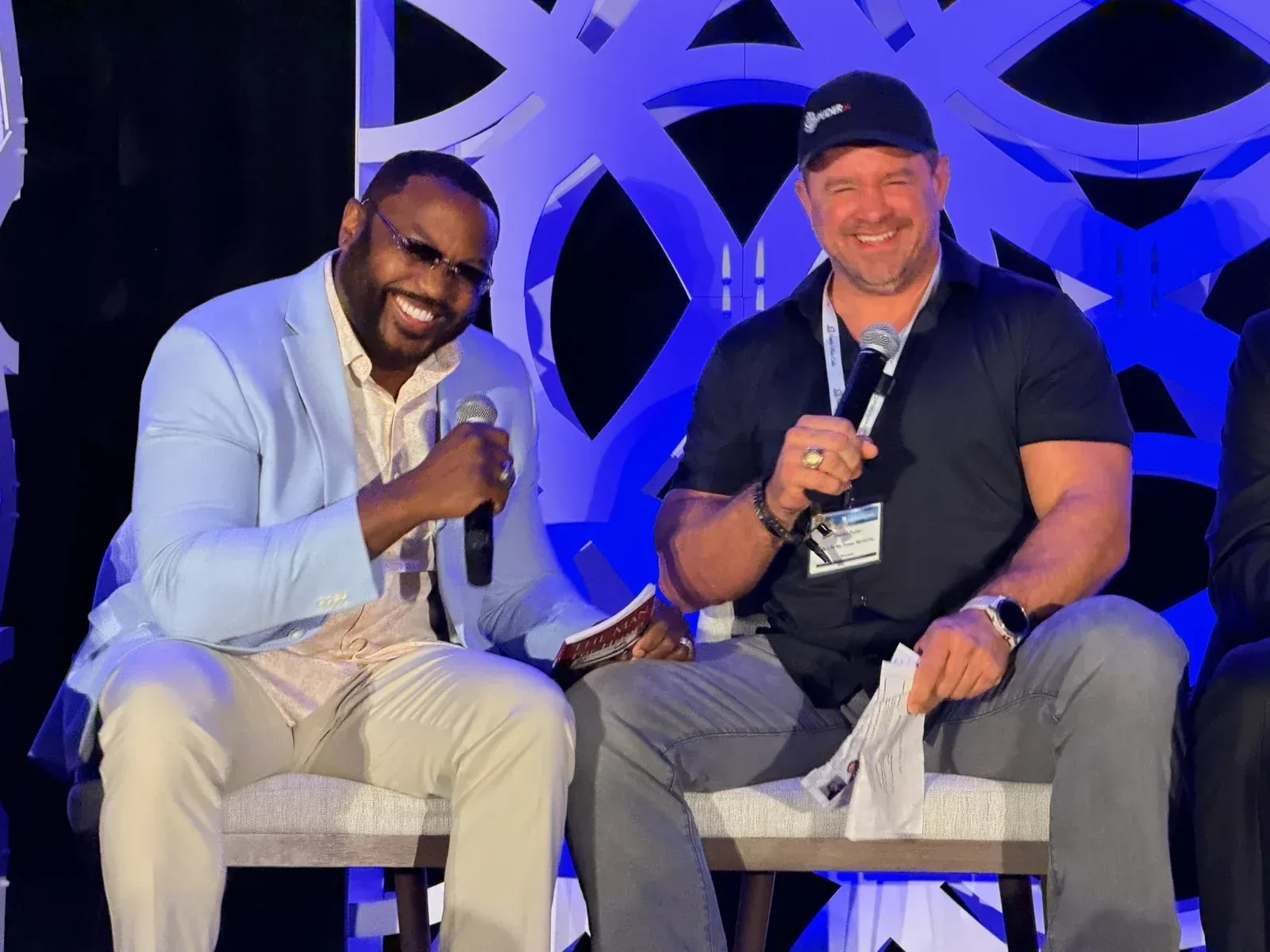
What Richard says he is seeing
Concentrated investment theses
Wilson says some families diversify across their portfolios while concentrating their internal attention on two or three areas. He describes families developing theses around energy shortages, infrastructure or water and investing around them for four to seven years. Energy is the theme he hears most, including interest in outer space solar and mobile mini nuclear.
The practical point is to distinguish a theme from a plan. A thesis needs a defined area of focus and a way to evaluate opportunities over time. The video gives examples of themes families are watching, not a recommendation to invest in them.
AI fluency in hiring
Wilson says executive candidates are increasingly expected to be fluent with AI unless they bring a very large Rolodex. He describes a recruitment effort with 800 applicants where long answers written with AI could make candidates sound like experts. Asking what tools they had actually used and what they understood about security helped expose gaps.
For a family office hiring for technology or operations, that suggests asking candidates to explain their real workflow. Probe how they check outputs, handle sensitive information and decide when a tool is appropriate. A polished answer alone may not show practical competence.
Fit the deal to the family's needs
Wilson recounts Trevor asking families what they wanted that year, then shaping a car wash opportunity to fit, from one location to a group of four or eight. The lesson is to start with the family's stated needs and constraints, then consider what structure fits. A tailored opportunity still needs careful review of its terms, risks and operations.
Test the track record
Wilson urges investors to find out what a sponsor actually did in each deal. Did that person serve as the sole general partner and raise all the capital, or participate as a co-GP with a smaller contribution? He describes people citing 12 deals despite bringing in $25,000 for one and $400,000 for another, without managing the asset.
A deal count needs context. Ask about responsibility, capital raised, decision-making authority and ongoing asset management. Those details help distinguish a headline number from relevant experience.
Fundraising and trust
Wilson says fundraising is difficult even for large platforms and experienced fundraisers. He reports that Chip Perkins, a placement agent who has raised $8 billion over 40 years, called it the hardest time ever and said there was no single trick or strategy.
That account points toward patient, specific work: understand the investor's priorities, explain the offer clearly and build the relationship beyond a pitch. Wilson also connects trust with how people make decisions. His talk describes verified membership and in-person events as ways the Family Office Club seeks to earn trust.
Two lines from the talk capture the value of a service-first approach and the cost of delay:
"Meeting in person and reversing that exchange where their message from you is not a pitch, it's an offer of value."
"The most expensive decision might be making no decision and just staying where you're at."
What to take from the talk
The trends are prompts for better questions, not forecasts. If you're building or running a family office, consider:
- Which two or three areas deserve sustained attention, and what would change your view?
- How do candidates demonstrate real AI use and sound security judgment?
- Does a proposed deal match the family's needs, and who is responsible for each part?
- What does a sponsor's track record show about capital raising, authority and asset management?
- What value can you offer in a relationship before asking for a commitment?
Wilson also discusses internal technology and service models in the video. Those choices depend on the family's needs, available staff and reliance on outside advisers. The right setup is the one that supports the work the family actually needs done.
Frequently asked questions
What does Wilson mean by a virtual family office?
He describes someone seeking family-office benefits at a range of wealth levels, potentially with $10 million, $20 million, $30 million or $50 million, or hundreds of millions. He says staffing needs may range from half to one full-time person for every $50 million, depending on reliance on wealth advisers.
What internal AI uses does he mention?
Wilson says family offices are developing internal AI systems, including custom reports, dashboards and tools. The video discusses these as areas of activity, not as a universal solution.
Informational only, not financial, legal or tax advice.
From Richard's exclusive Billionaires.com interviews
Lessons from Richard C. Wilson's one-on-one interviews, as published on each interview page.
- Anu Aga: Focus on one main cause. Her family found its giving more satisfying and impactful once it chose primary education for the underprivileged in India.
- Binod K. Chaudhary: Never chase a deal out of desperation. Stay cool and look at every part of the deal. Have your advisers and your finance team review it critically. Your counsel should review it too.
- Larry Connor: Learn from every mistake. Larry's team owns its failures and makes no excuses. They learn, change quickly, and keep getting better.
See the data
Sources
Quotes are copied from the video captions and checked against the transcript. Timestamps link to the moment in the video. General information only, not legal, tax or investment advice.