
How Investors and Family Offices Find and Scale Businesses
This page is for business owners considering growth or a sale, and investors who want to understand how family offices assess companies. It introduces a Family Office Club panel, moderated by Richard C. Wilson, about sourcing deals, scaling founder-led businesses, and evaluating financial and operational resilience. The full video is available on Richard C. Wilson's YouTube channel.
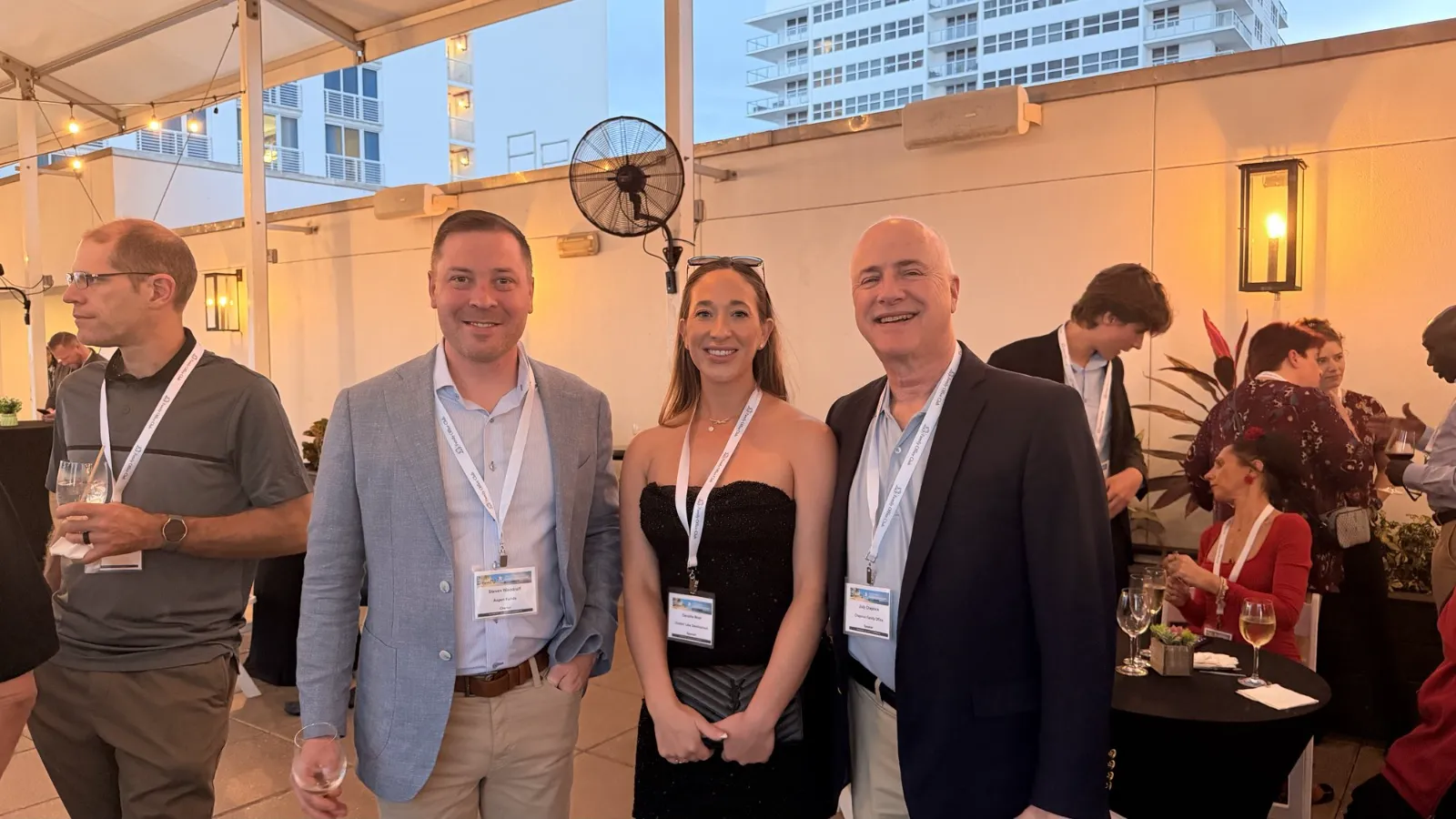
What the panel covers
The panel gives business owners and investors several questions to use when thinking about a company's fit and growth prospects:
- Is an established business ready for a transition? One panelist describes the lower middle market as companies with enterprise values from $20 million to $100 million. Some businesses in this range are profitable, while their owners are considering an exit.
- Can a founder-led business grow beyond the founder's capacity? Kyle looks for companies that have outgrown their owners. His approach is to keep the founder involved, add a leadership team, and give employees clear weekly targets.
- Can the business withstand disruption and recover? Neil looks for managers with a long record of success and an asset base that can withstand disruption. He says some assets can take five or six years to return to even, so recovery time matters.
- Do customers value the product enough to stay? Kyle suggests asking how many customers would remain if prices rose 50%. He also considers customer enthusiasm and interest in sustainability.
These are panelists' perspectives, not a universal investment checklist. The discussion also points to the role of both people and operating systems. One panelist says, "The truth is you need to invest in the person and you need to invest in systems that will grow and scale." Another says, "I invest off of P&Ls and financials, right?"
How to use the discussion
For owners: Use the panel's themes to examine whether the company can operate and grow beyond its founder. Consider the leadership capacity, weekly targets, customer loyalty, and the financial picture an investor would review. This page gives one example: a $50 million California HVAC company where the owner was the sales team, illustrating how adding sales capacity could create room for growth.
For investors: Compare the panelists' approaches to your own evaluation. The discussion includes established businesses with owners looking to exit, founder-led businesses that need more operating capacity, relationship-based deal flow, and the time some assets may need to recover.
Watch the full panel
The video is titled "Growth Focus Finder: How Investors & Family Offices use NextGen, Roots & Models to Scale." This page identifies Richard C. Wilson as moderator, alongside panelists who work with family offices, invest directly, facilitate investments, build companies, and operate in real estate. It does not list the panelists' full names.
Frequently asked questions
What size companies are discussed?
One panelist describes the lower middle market as companies with enterprise values from $20 million to $100 million.
What does Kyle look for in a founder-led business?
He looks for businesses that have outgrown their owners. He recommends keeping the founder involved, adding a leadership team, and setting clear weekly targets for employees.
How do the panelists think about resilience?
Neil looks for managers with a long record of success and an asset base that can withstand disruption. He notes that some assets can take five or six years to return to even.
From Richard's exclusive Billionaires.com interviews
Lessons from Richard C. Wilson's one-on-one interviews, as published on each interview page.
- Anu Aga: Focus on one main cause. Her family found its giving more satisfying and impactful once it chose primary education for the underprivileged in India.
- Binod K. Chaudhary: Never chase a deal out of desperation. Stay cool and look at every part of the deal. Have your advisers and your finance team review it critically. Your counsel should review it too.
- Larry Connor: Learn from every mistake. Larry's team owns its failures and makes no excuses. They learn, change quickly, and keep getting better.
See the data
Sources
Quotes are copied from the video captions and checked against the transcript. Timestamps link to the moment in the video. General information only, not legal, tax or investment advice.