
How John Built a Billion-Dollar Real Estate Platform
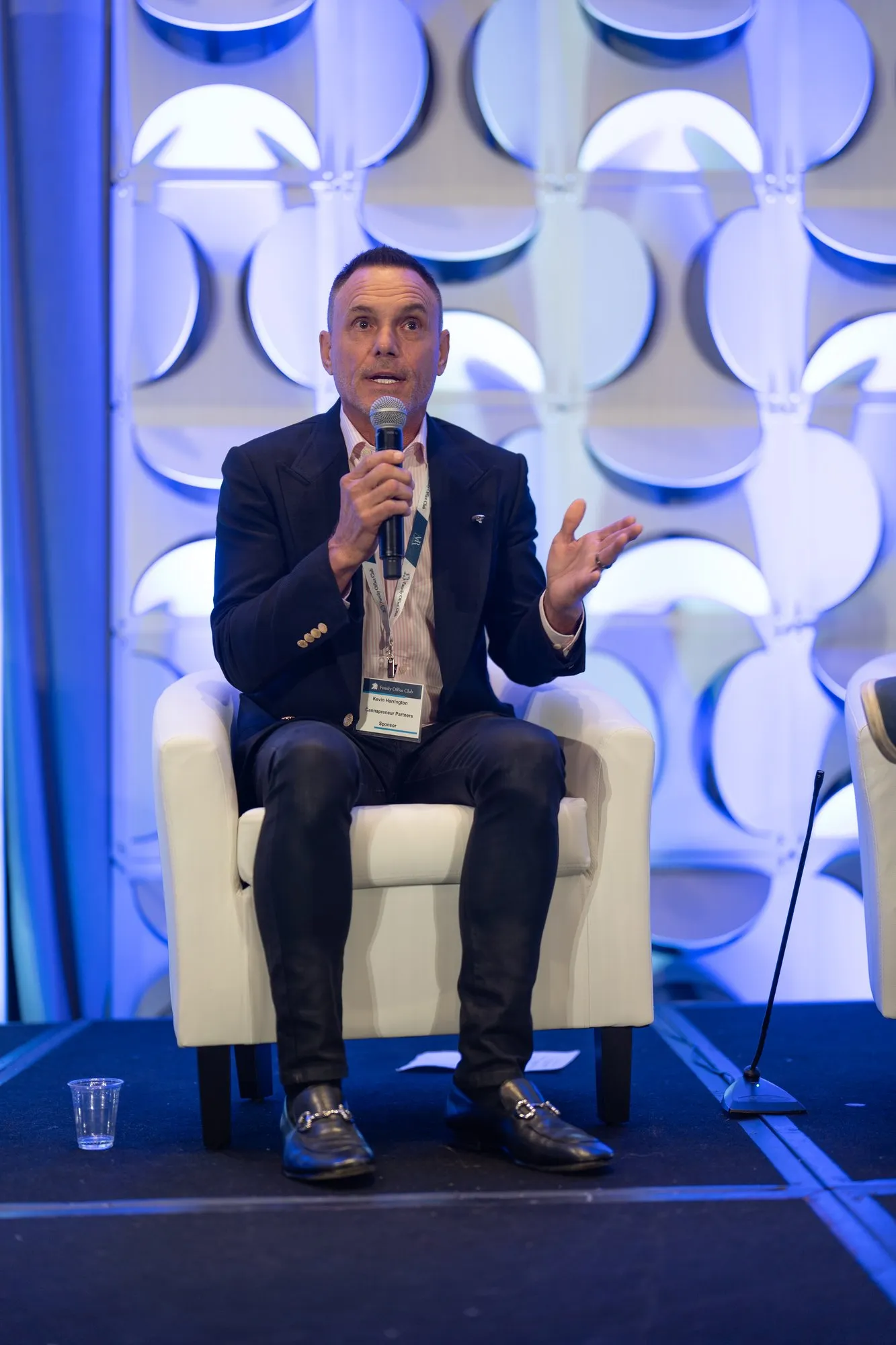
In this fireside chat, Richard C. Wilson of the Family Office Club interviews John, co-founder and partner of Fairbridge Asset Management. The conversation details the operational and strategic steps behind scaling a real estate platform from small, personal capital deals to managing billions in assets for institutional investors.
John's path began with bridge lending in the Bronx, using his own and his family's money for deals as small as $100,000. Growth was methodical, expanding first across the tri-state area and then nationally. A key inflection point came when institutional investors began approaching the firm, which forced the build-out of the systems and infrastructure required to manage institutional capital.
The Discipline of a Real Estate Lender
John emphasizes a lender's mindset, which prioritizes downside protection and strict adherence to underwriting criteria over chasing deals.
John says he sticks to real estate, which he knows. As a lender, he walks away when loan metrics or the sponsor do not work, even if he likes the property.
This discipline extends to on-site diligence. John insists that someone from his team physically walks every property, inspecting the roof, utility rooms, and all aspects of the asset while meeting the sponsor on-site. This hands-on approach is a non-negotiable part of his risk management.
Building for Institutional Quality
A central theme of the discussion is the transition to an institutional-grade platform. John notes there is no specific asset threshold for seeking institutional money. The requirement is a platform that can pass rigorous third-party due diligence.
John says a firm needs a platform that can pass third-party due diligence, with audits, legal documents and fund administration.
He explains that building this infrastructure - including formal audits, proper legal documentation, and third-party fund administration - preceded the arrival of large investors. This preparation meant that when larger family offices and institutions showed interest, the firm was ready. The institutional setup also enabled regular investor communications, like monthly NAV reporting and newsletters, which provided transparency after the formal audited financials were in place.
Key Takeaways for Scaling an Investment Business
- Protect the downside first. A lender's discipline of walking away from deals where the metrics or sponsor don't align, regardless of property appeal, is a foundational practice for sustainable scaling.
- Build systems before the capital arrives. Institutional quality is judged by professional infrastructure - audits, administration, and documentation. Building this platform positions a firm to seize opportunities when larger investors engage.
- Diligence is physical. For real estate, there is no substitute for a team member walking the property and meeting the sponsor on-site to inspect every critical component.
This interview provides a clear view of the operational rigor required to move from a personal investment operation to a platform managing institutional capital. The steps are sequential: master a niche, enforce strict underwriting, and then proactively build the professional infrastructure that attracts and retains larger, more sophisticated capital partners.
Informational only, not financial, legal or tax advice.
What they said
- John's downside focus. John says he tries to be authentic and transparent with investors and spends time concentrating on the downside. (at 3:21)
- John's real estate deal screening. John says he sticks to real estate, which he knows. As a lender, he walks away when loan metrics or the sponsor do not work, even if he likes the property. (at 4:46)
- John's on-site property diligence. John says someone from his company walks the property and meets the sponsor there. He wants to inspect the roof, utility rooms and every part of the property. (at 6:38)
- John on building an institutional platform. John says there is no set asset level for seeking institutional money. He says a firm needs a platform that can pass third-party due diligence, with audits, legal documents and fund administration. (at 10:46)
- John on pursuing a good deal. John says that when he sees a deal he considers good, he pursues the person who brought it to him. (at 19:04)
From Richard's exclusive Billionaires.com interviews
Lessons from Richard C. Wilson's one-on-one interviews, as published on each interview page.
- Anu Aga: Focus on one main cause. Her family found its giving more satisfying and impactful once it chose primary education for the underprivileged in India.
- Binod K. Chaudhary: Never chase a deal out of desperation. Stay cool and look at every part of the deal. Have your advisers and your finance team review it critically. Your counsel should review it too.
- Larry Connor: Learn from every mistake. Larry's team owns its failures and makes no excuses. They learn, change quickly, and keep getting better.
See the data
Sources
Quotes are copied from the video captions and checked against the transcript. Timestamps link to the moment in the video. General information only, not legal, tax or investment advice.