
How Richard C. Wilson Focused Family Office Club
This video page is for people building a specialist business, working with family offices, or attending investor events. In a summit opening session, Richard C. Wilson explains how early work and business experiments led him to build Family Office Club, and what focus and relationships mean in that work.
In this video: Richard C. Wilson, founder of Family Office Club.
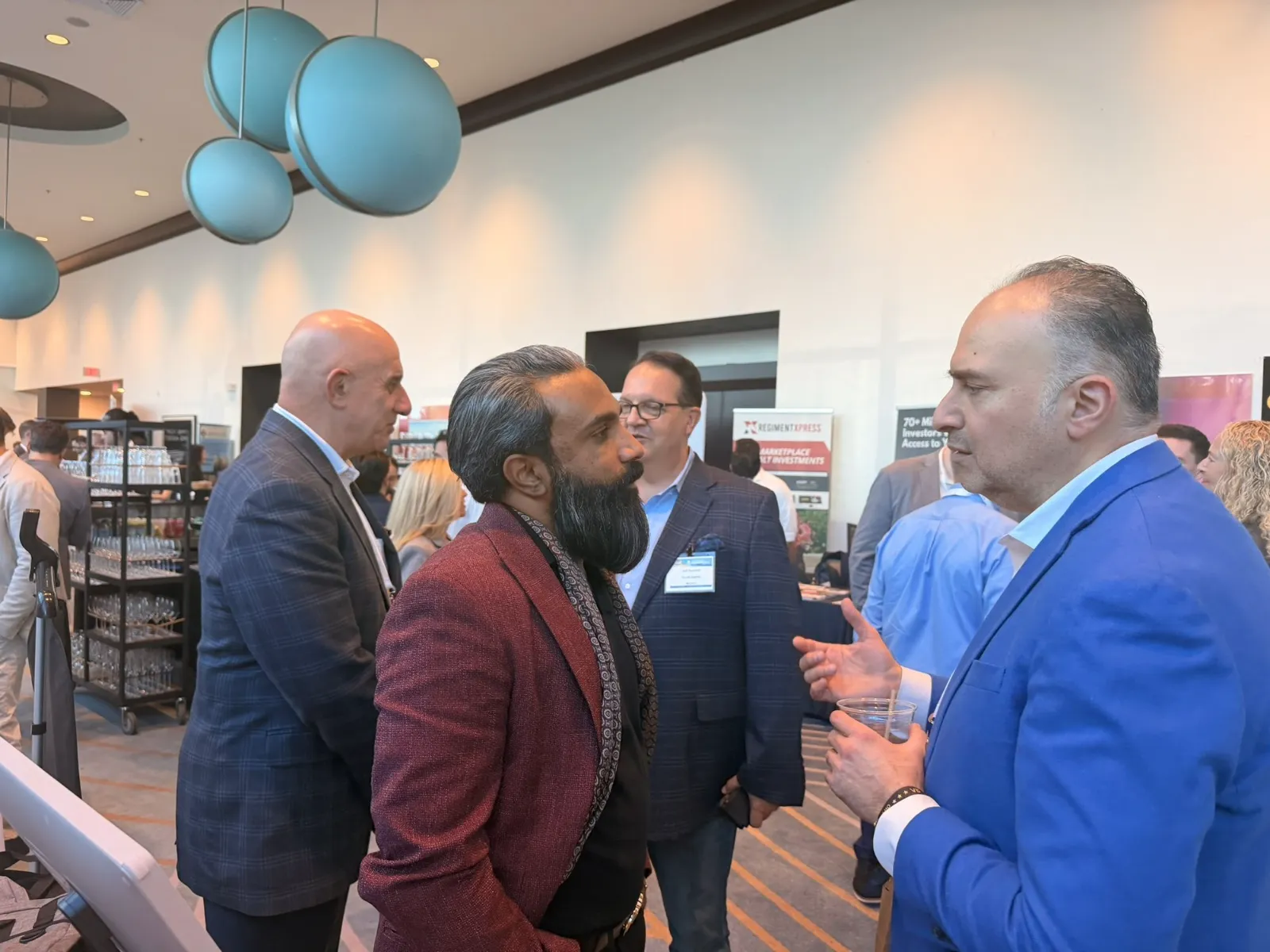
What Richard says about building his path
Richard recounts calling computer companies listed in the Yellow Pages to look for work. One callback led to a website job and lessons in team management and leadership. Later, a Chamber of Commerce connection led to consulting work after he offered to work for free until he proved he could do the job.
He also shares advice from a mentor about building expertise in a defined field: someone could become a local expert in one or two years, a regional expert in three or four, and a global expert in seven. The timeline is the mentor's advice as Richard recalls it, not a guaranteed schedule. For someone choosing a field, the practical question is what audience they want to serve and how they can keep offering that audience value.
A niche can guide your work
Richard says families he considers smart focus on one to three niches, sometimes just one or two. He says they still diversify cash flow, real estate and public markets. In this account, focus means developing depth in selected areas. It does not mean that every part of a family's wealth must be concentrated in one investment.
For business builders, niche focus can help clarify what to learn, what work to pursue and what kind of community to create. It can also make it easier for people to understand the expertise a business offers.
Pay attention to the person behind the introduction
Richard describes relationships as part of how work develops. A callback, a Chamber connection and a mentor each played a role in his early path. He also points out that a short introduction may not capture someone's experience: a person who says they own a couple of car washes may own 110, and a name tag without a family office label may not reveal substantial operating experience.
At an event, treat an introduction as a starting point. Ask questions and listen before making assumptions about what someone knows or has done.
What to take from the session
If you are developing a specialist business or attending an investor gathering, use the session to consider:
- Which audience you want to serve, and what expertise you want to build for them.
- How you can demonstrate your ability and earn trust through useful work.
- What you can learn from a conversation beyond a person's brief introduction.
- How to keep a focused area of expertise separate from decisions about portfolio diversification.
Frequently asked questions
What is this video about?
Richard discusses his early work, the development of Family Office Club, niche focus and the value of looking beyond brief introductions at events.
What business did Richard say worked for him in college?
Richard says he bought used textbooks and sold them online for five times more than he paid, using half.com and amazon.com.
What fundraising work did Richard see through his father?
Richard says his father raised capital for nonprofit organizations through capital campaigns. Richard drove him to donor meetings where his father pitched a five million dollar endowment or a 10 million dollar gift for a cancer hospital.
What they said
- Richard's Yellow Pages calls led to a website job. Richard says he called every computer company listed in the Yellow Pages looking for work. One callback led to a website job and lessons in team management and leadership. (at 4:04)
- A Chamber connection led to a consulting job. Richard says a Chamber of Commerce connection led to a job after he offered to work for free until he proved he could do the work. He made six figures out of college. (at 5:28)
- Richard on building authority in a niche. Richard says a mentor taught him to give value to a defined audience. The mentor said someone could become a local expert in one or two years, a regional expert in three or four, and a global expert in seven. (at 5:56)
- Richard on family office niche focus. Richard says families he considers smart focus on one to three niches, sometimes just one or two. They still diversify cash flow, real estate and public markets. (at 9:36)
- Richard on health and work. Richard says people do not need to trade being ultra healthy for being ultra wealthy. In his view, health can support focus, energy and getting more done. (at 11:26)
From Richard's exclusive Billionaires.com interviews
Lessons from Richard C. Wilson's one-on-one interviews, as published on each interview page.
- Anu Aga: Focus on one main cause. Her family found its giving more satisfying and impactful once it chose primary education for the underprivileged in India.
- Binod K. Chaudhary: Never chase a deal out of desperation. Stay cool and look at every part of the deal. Have your advisers and your finance team review it critically. Your counsel should review it too.
- Larry Connor: Learn from every mistake. Larry's team owns its failures and makes no excuses. They learn, change quickly, and keep getting better.
See the data
Sources
Quotes are copied from the video captions and checked against the transcript. Timestamps link to the moment in the video. General information only, not legal, tax or investment advice.