
Richard C. Wilson on Running a Virtual Family Office
A virtual family office is a flexible structure. It pulls together external experts to serve a family's specific needs without building a full, in-house single family office. In this video, Richard C. Wilson explains how to define its purpose, set its investment oversight rhythm, choose meeting practices, and organize expert support.
He draws from his experience running an investor club for 16 years, hosting 190 live events, and meeting over 3,000 ultra-wealthy families in person. The video is a practical guide for families considering this model.
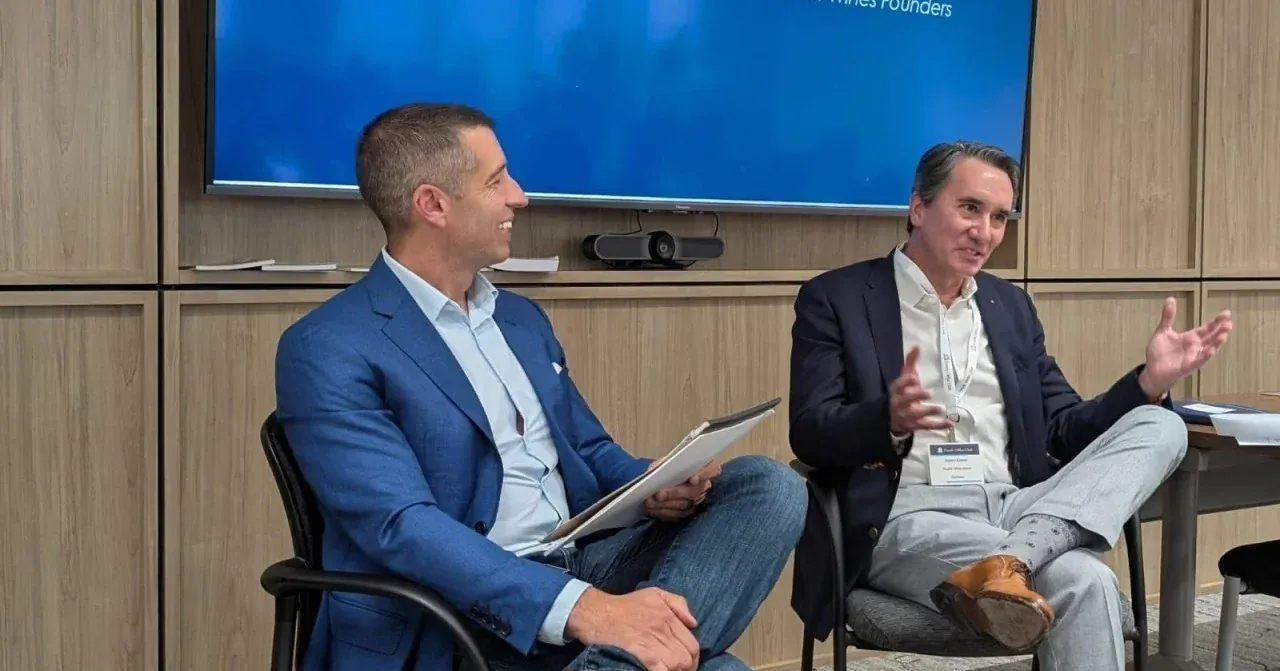
Defining the office and its purpose
Richard clarifies that a virtual family office is typically a one-off arrangement for a single family, not a multi-family office. You should weigh it against the option of a single family office. A key early decision is whether to outsource investment oversight to an outsourced chief investment officer or a consulting firm.
The office's purpose dictates its shape. A family focused on co-investments or club investing needs different team talent and a different advisory board or investment committee than a family focused on passive fund investing. The goals come first, and the office structure follows.
Setting the oversight rhythm
How often you monitor investments depends on what you own. Richard contrasts two examples. A minority owner in a portfolio of restaurant franchises might need only a weekly report. In contrast, a fund of funds investing in volatile hedge funds requires intraday oversight. Frequent monitoring in that scenario can help you cut off funds that are posting steep losses quickly.
The structure of your holdings is directly linked to the necessary pace of your oversight.
Choosing meeting practices
For a distributed team, Richard encourages in-person meetings when possible. For participants who cannot meet in person, he is direct: "there's no excuse not to do video conference calls."
He recommends establishing set processes for remote meetings. These processes help keep participants engaged and build trust over time, which is critical for a team that doesn't share a physical office.
Organizing expert support
Richard recommends building a core team of three to five retained professionals with varied expertise. This core group can then bring in specialists for individual projects as needed.
He gives examples of projects that would require such specialists: setting up a new division within a family business, acquiring a business, or managing a partnership or joint venture with another family office. The virtual office model is designed to scale this expert support up and down efficiently.
When to reconsider the model
A virtual family office is a starting point. As a family's wealth and complexity grow, the model may need to evolve. Richard notes that "the larger your family office is the more likely you're going to want to create more of a single family office."
He ties a larger operation to the need for greater control, transparency, and direct reporting. That gives a family a concrete reason to revisit its setup periodically as the operation expands.
Watch the full video for Richard's detailed explanations on each of these design choices.
Informational only, not financial, legal or tax advice.
What they said
- Richard's view on office structure. Richard says a virtual family office is typically a one-off arrangement for a family, rather than a multi-family office. He advises weighing it against a single family office and outsourcing investment oversight to an outsourced chief investment officer or consulting firm. (at 0:27)
- Richard says purpose changes team needs. Richard says a family seeking co-investments or club investing needs different team talent and a different advisory board or investment committee. He says the office's shape changes with its goals. (at 1:22)
- Richard links holdings to oversight pace. Richard contrasts weekly reports for a minority owner in restaurant franchises with intraday oversight for volatile hedge funds in a fund of funds approach. He says frequent monitoring can help cut off funds posting steep losses. (at 2:16)
- Richard's remote meeting practices. Richard encourages in-person meetings when possible. For people who cannot meet in person, he recommends video calls and set processes, saying they can help keep participants engaged and build trust. (at 3:40)
- Richard's core team approach. Richard recommends retaining three to five core professionals with varied expertise to help bring in specialists for individual projects. He gives setting up a division, acquiring a business and managing a partnership or joint venture with another family office as examples. (at 4:35)
From Richard's exclusive Billionaires.com interviews
Lessons from Richard C. Wilson's one-on-one interviews, as published on each interview page.
- Anu Aga: Focus on one main cause. Her family found its giving more satisfying and impactful once it chose primary education for the underprivileged in India.
- Binod K. Chaudhary: Never chase a deal out of desperation. Stay cool and look at every part of the deal. Have your advisers and your finance team review it critically. Your counsel should review it too.
- Larry Connor: Learn from every mistake. Larry's team owns its failures and makes no excuses. They learn, change quickly, and keep getting better.
See the data
Sources
Quotes are copied from the video captions and checked against the transcript. Timestamps link to the moment in the video. General information only, not legal, tax or investment advice.