
How do family offices assess early-stage venture deals?
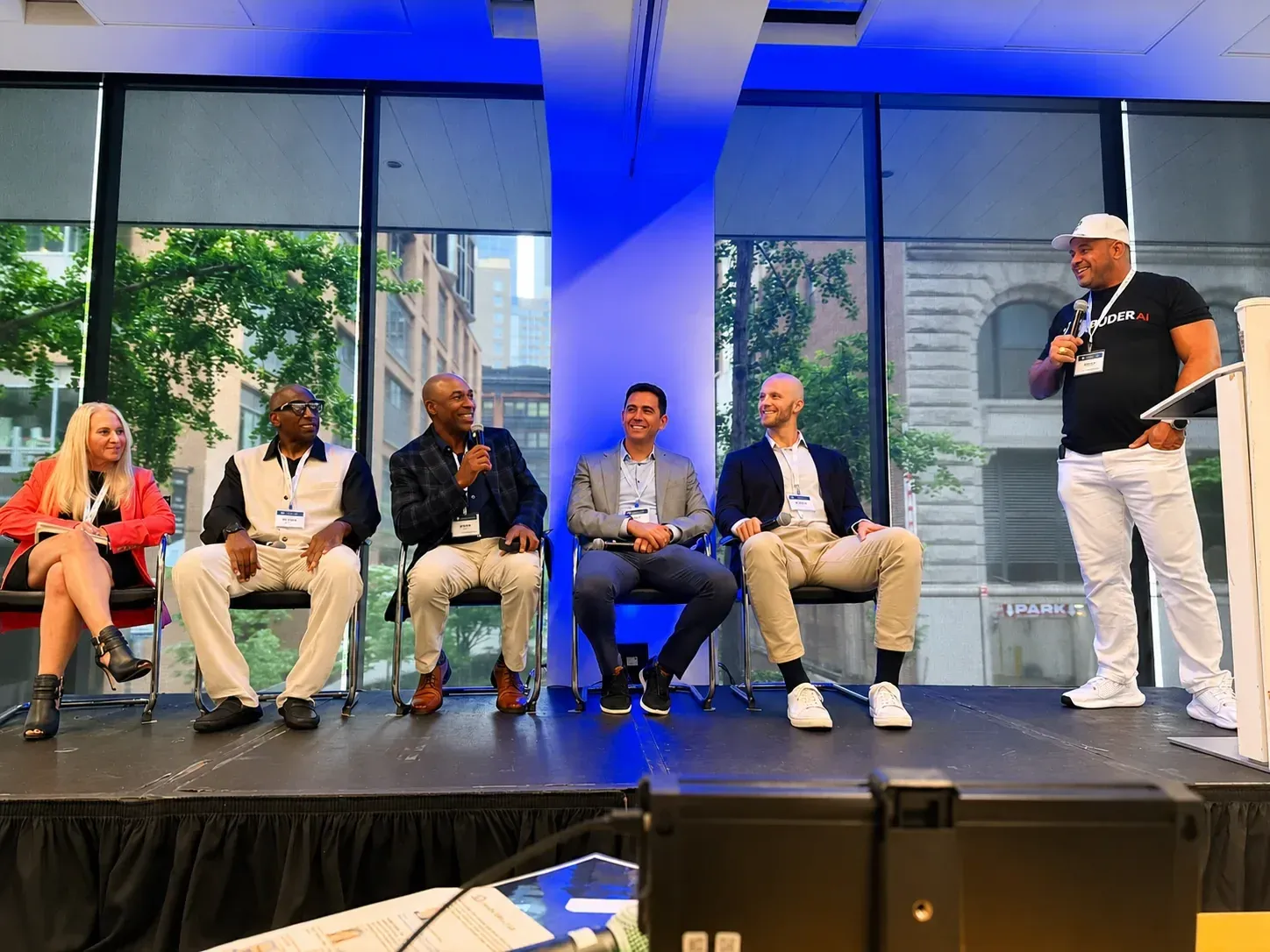
Family offices assess early-stage venture deals by examining the people, the risks the company still needs to resolve, and the plan for reaching its next funding milestone. At the pre-seed and seed stages, there may be too little operating data to judge the company by its metrics alone. Panelists in Richard C. Wilson's $1 Billion+ Family Office Panel said they look at a founder's track record and resilience, the fit between the founders and the market, and whether the team can reduce uncertainty through experiments. They also emphasized that venture investing calls for a portfolio of bets, since one early-stage company can fail even when its founders are strong.

Start with the founders
At pre-seed and seed, a family office may have limited company data to evaluate. A panelist said investors look at the founder's track record and consider whether the person can keep working through setbacks. The question is not only whether the business plan looks promising, but who will lead when the plan runs into trouble.
Look for evidence that the founders understand the problem, can make decisions with incomplete information, and can adapt when an assumption proves wrong. A past record can help, but it does not remove the need to examine how the team handles the specific challenges ahead.
Check founder-market fit
The panel discussion also highlighted founder-market fit: whether the founders have the knowledge and skills to understand the market and build the business. Juan used construction technology as an example. A team in that area might pair someone who knows construction with someone who can build software and has startup experience.
That example points to a practical diligence question: does the founding team collectively understand both the customer's work and what it takes to deliver the product? Identify gaps in industry knowledge, technical ability, or company-building experience. Then ask how the team plans to address them.
Treat the plan as a series of experiments
Juan described strong founders as treating a company as a series of risk-reducing experiments and adjusting based on the answers. For an investor, that means examining what the company still needs to learn and how it will learn it.
Ask the founders to name the assumptions that matter most. These might concern customer demand, product performance, or the ability to deliver the service. For each assumption, ask what evidence would support or challenge it, how the team will gather that evidence, and what it will do if the result is different than expected.
The goal is to understand whether the proposed work can reduce uncertainty in a meaningful way. A milestone is more useful when it answers a clear question than when it is simply a date on a fundraising plan.
Work backward from the next round
Juan said seed-stage founders can ask Series A investors what milestones they expect, then work backward to plan the seed round. This gives founders and investors a clearer way to discuss what the next financing step may require.
A family office can ask which milestones matter to likely future investors and how the company's budget and schedule support them. The milestones should connect to the risks the company is trying to reduce. If the team cannot explain that connection, it may need to revisit its financing plan.
This is not a guarantee of a later round. It is a way to test whether the company has a coherent plan for producing evidence that could support continued investment.
Size venture exposure as a portfolio
One panelist advised that venture investors should be prepared to make a portfolio of investments, mentioning 10, 20, or 30 bets. If an investor is prepared to back only one potential winner, he advised against doing it.
That advice makes portfolio fit part of deal assessment. Consider how much capital the investment may require over time, how it fits alongside other venture exposure, and whether the family office can tolerate the possibility that the company fails. A promising founder or market does not make a single early-stage investment predictable.
A practical diligence checklist
Before deciding whether to proceed, work through these questions:
- Founder track record: What relevant experience does the founder bring, and how has the person handled setbacks?
- Founder-market fit: Does the team understand the customer, industry, and product it is building?
- Team coverage: Are important skills missing, and how does the company plan to fill those gaps?
- Key uncertainties: Which assumptions could most affect the company's prospects?
- Risk-reducing experiments: What evidence will the next experiments produce, and how might the team respond?
- Next-round milestones: What milestones may matter to future investors, and does the current financing plan work backward from them?
- Portfolio fit: Is the family office prepared for this investment as one of multiple venture bets?
These questions organize diligence; they do not determine the answer on their own. Review the proposed terms and financing structure as well as the team and business plan. For legal or securities questions, consult an attorney.
Related
- How Family Offices Can Secure Strategic Choke Points
- Highlights from 16 Family Office Trends
- Paul Hutchinson on Mindset, Real Estate and Giving
See the data
Frequently asked questions
How do family offices assess early-stage venture deals?
Panelists point to founder track record, founder-market fit, risk-reducing experiments, milestones tied to a potential next round, and fit within a portfolio of venture investments.
What kinds of ventures did Evan say his family office backs?
Evan said Beachwood Ventures focuses on early-stage venture and clinical-stage biotech, including digital health and AI related to healthcare (6:30).
What factors did Juan cite for construction technology?
Juan pointed to rising construction costs, about 650,000 unfilled skilled labor openings, and younger workers adopting technology on job sites (21:25, 21:53).
From Richard's exclusive Billionaires.com interviews
Lessons from Richard C. Wilson's one-on-one interviews, as published on each interview page.
- Anu Aga: Focus on one main cause. Her family found its giving more satisfying and impactful once it chose primary education for the underprivileged in India.
- Binod K. Chaudhary: Never chase a deal out of desperation. Stay cool and look at every part of the deal. Have your advisers and your finance team review it critically. Your counsel should review it too.
- Larry Connor: Learn from every mistake. Larry's team owns its failures and makes no excuses. They learn, change quickly, and keep getting better.
See the data
Sources
Quotes are copied from the video captions and checked against the transcript. Timestamps link to the moment in the video. General information only, not legal, tax or investment advice.