
What habits help billionaires build successful businesses?
What habits help billionaires build successful businesses? They build on a foundation of intense curiosity and disciplined learning. They focus on creating one exceptional product or service first. They develop a high-integrity personal brand that builds trust. They are politely persistent, following up for years to achieve a goal. They think like owners, not just operators, to scale.
The core habits of business builders
The billionaires Richard C. Wilson has studied share common behavioral threads. These are not secrets, but they are applied with remarkable consistency and intensity.
Curiosity and voracious reading. Warren Buffett is famously reported to read four to seven hours a day. This habit of continuous learning is a common trait. It's about building mental models and understanding the world more deeply than competitors.
Extreme focus on a single winning product. In an interview, Bill Gates outlined a clear path: get one successful product, like Microsoft Office, established. Then, hire managing directors to build out other product lines from that strong foundation. The initial focus is singular.
An obsession with quality and detail. Steve Jobs emphasized caring about every detail. This commitment to the end-user experience, down to the smallest element, separates good products from iconic ones.
Outworking and outlearning everyone. Mark Cuban distilled his view of success to this: it's about your ability to outwork and outlearn everybody else. It's a direct, effort-based philosophy that downplays connections and starting capital.
Thinking like an owner, not an operator. Tony Robbins identified this shift as his biggest turning point. An operator tries to supervise everything and cannot scale. An owner builds systems and a team that can operate and grow independently.
Building trust and influence
Beyond personal discipline, successful business builders master the social and psychological aspects of growth.
They build a brand that communicates trust and quality. Your brand is often the first point of contact. A level four brand, as Richard describes it, is compelling by itself. It tells someone exactly what you do and why they should invest with you. It looks institutional, polished, and professional. This isn't vanity. A sloppy brand signals you don't take your business seriously and drives people away. A strong brand hints at the benefits of working with you, making every subsequent conversation easier.
They apply principles of influence and persuasion. Robert Cialdini's work on influence is relevant because business is fundamentally about human decisions. Whether influencing a team member, a partner, or an investor, understanding why people say "yes" is a critical skill. In a world of information overload, clear, persuasive communication cuts through the noise.
They are politely persistent. Success often requires following up long after others quit. When Richard's team purchased Billionaires.com, they followed up every two to four months for over 12 years. They eventually acquired it for less than half the original asking price. This habit applies to sales, partnerships, and problem-solving. When someone says no, the productive habit is to politely ask why, learn the reason, and adapt.
A practical checklist for building a billion-dollar business
- Commit to daily learning. Dedicate time each day to reading industry reports, biographies, or deep analysis. Follow Warren Buffett's lead and treat knowledge as your primary asset.
- Perfect one thing first. Before diversifying, focus all energy on making one core product or service exceptional. Use Bill Gates's model: get that one engine running profitably before building the next.
- Audit your personal and company brand. Does your website, pitch deck, and communication look institutional and professional? Does it quickly tell an investor what you do and why they should care? If not, it's silently costing you opportunities.
- Shift from operator to owner. Identify one task only you do and systemize it or delegate it this month. Start building a team that can function without your direct supervision on every detail.
- Practice polite persistence. When you face a rejection, ask a specific, constructive follow-up question to understand the "why." Maintain a system to follow up on long-term goals every few months, without being a nuisance.
- Study influence. Read Cialdini's Influence or similar works. Apply one principle, like reciprocity or social proof, to your next investor meeting or team request.
- Sweat the details. In your next product review or client deliverable, channel Steve Jobs. Ask what one detail you can improve that the user will notice and appreciate.
Related questions
- Tony Robbins on Ownership, Proximity and Investment Decisions
- How can philanthropy prepare children to inherit family wealth?
- How Family Offices and Investors Compete for Better Deals
Related resources
- Billionaire Mindset and Habits Themes from our billionaire interviews (infographic)
- Years to a billion (infographic)
- All billionaire interview videos
- The biggest questions about billionaires
Sources
- Family Office Club Event Opening Remarks (Richard C. Wilson YouTube channel). Quotes are copied from the video captions and checked against the transcript.
- Transcript excerpts from the $100M Rainmaker Series on branding, persistence, and influence.
Informational only, not financial, legal or tax advice.
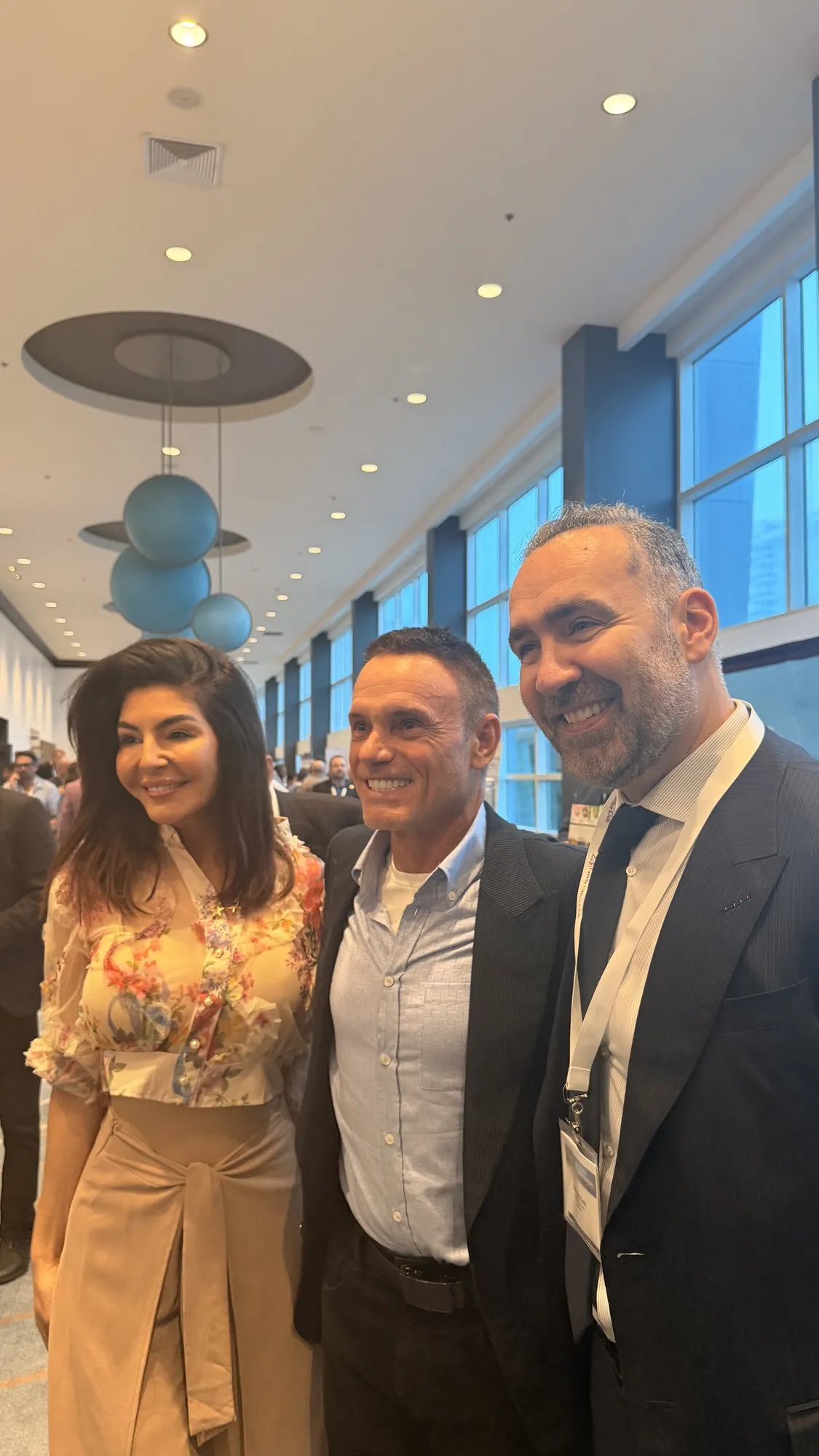

From Richard's exclusive Billionaires.com interviews
Lessons from Richard C. Wilson's one-on-one interviews, as published on each interview page.
- Michael Lee-Chin: Find the person who is responsible. When a problem comes up, he asks who the agent was. He wants a specific person to call, not a department.
- Anu Aga: Check before you give. Study the work of an NGO, ask more questions, and visit it if you can. This leads to an informed decision.
- Tony Robbins: Think like an owner. His biggest turning point was moving from operator to owner. An operator tries to supervise everything and cannot scale.
See the data
Sources
Quotes are copied from the video captions and checked against the transcript. Timestamps link to the moment in the video. General information only, not legal, tax or investment advice.