
What Family Office Wealth Managers Seek in Investments
This video captures a panel from a Family Office Club event where investment professionals from family offices and advisory firms explain their process. They discuss how they screen managers, tailor advice to specific client situations, and manage portfolios through market cycles. The conversation provides a practical look at the criteria and considerations used behind the scenes.
Watch the panel discussion.
{{ current page video embed }}
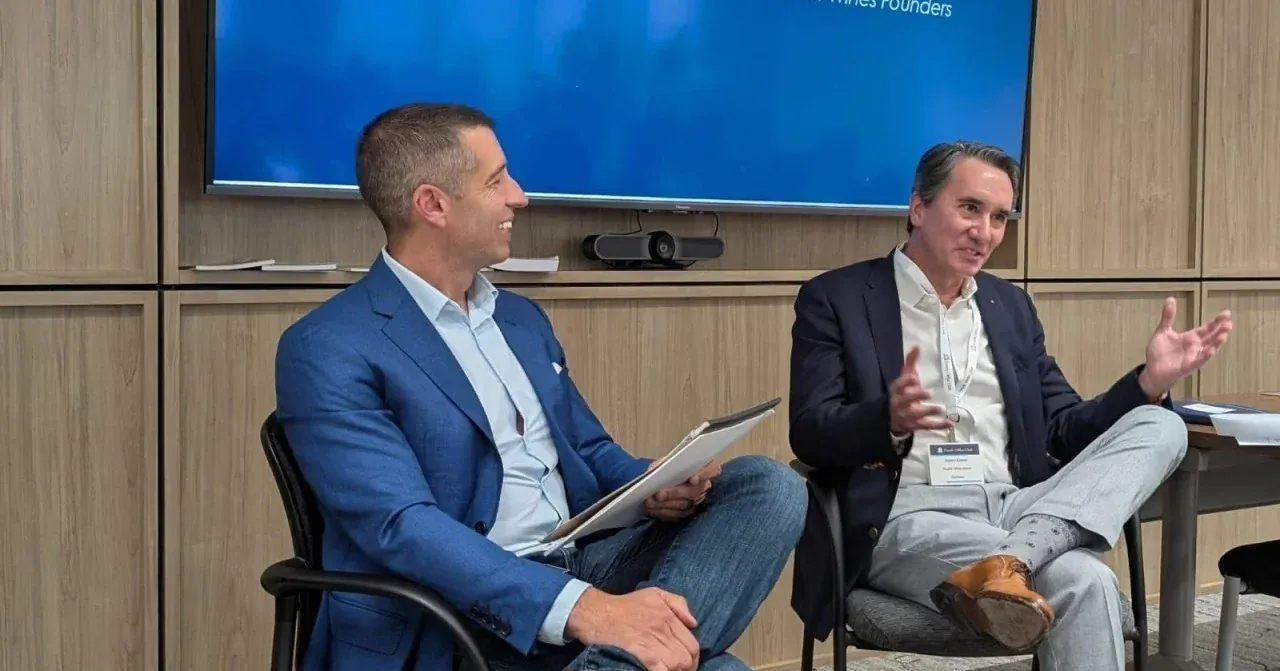
Key insights from the panel
The discussion highlights several concrete filters and approaches used by family office wealth managers.
On screening private market investments: One panelist, Isaac, outlined a clear hierarchy. Performance is the first hurdle; a private investment must offer enough return to justify its illiquidity. After that, his team conducts due diligence, then evaluates terms, fund size, the manager's platform, and how the investment fits within the existing portfolio.
On identifying a manager's advantage: Greg emphasized looking for a sustainable "moat." He cited a defense industry buyout group as an example. Their partners held security clearances and had a board of advisers with deep sector experience, creating an ecosystem that a new competitor could not easily replicate. This edge in access and expertise is a key screening factor.
On client relationships: Greg used a doctor analogy to describe the adviser's role. A client may ask for a specific "prescription," but the adviser's job is to listen, verify the underlying need through underwriting, and connect that need to a suitable solution. The quality of questions and analysis matters as much as the investment product presented.
On portfolio construction for founders: Another panelist, representing a firm that works with founders, described a specific capital allocation. They advocate for a very safe "bucket" of capital, representing 5 to 10% of a founder's net worth, set aside for esoteric investments. This bucket might include private direct investments, secondaries, and later-stage venture capital, but explicitly excludes seed-stage investing.
What this means for you
Whether you are an investor seeking to understand how family offices evaluate opportunities, or a manager looking to engage them, this panel offers direct language on their priorities.
The emphasis on a manager's defensible edge, the structured due diligence process for private markets, and the focus on tailoring solutions to a client's precise circumstances are all standard practice in this field. The "founder bucket" concept is a specific example of how advice is customized for different types of ultra-high-net-worth individuals.
Informational only, not financial, legal or tax advice.
From Richard's exclusive Billionaires.com interviews
Lessons from Richard C. Wilson's one-on-one interviews, as published on each interview page.
- Anu Aga: Focus on one main cause. Her family found its giving more satisfying and impactful once it chose primary education for the underprivileged in India.
- Binod K. Chaudhary: Never chase a deal out of desperation. Stay cool and look at every part of the deal. Have your advisers and your finance team review it critically. Your counsel should review it too.
- Larry Connor: Learn from every mistake. Larry's team owns its failures and makes no excuses. They learn, change quickly, and keep getting better.
See the data
Sources
Quotes are copied from the video captions and checked against the transcript. Timestamps link to the moment in the video. General information only, not legal, tax or investment advice.