
How Family Offices Build Relationships and Assess Opportunities
At a Beverly Hills Investor Club Summit panel, Family Office Club director John Milanovich moderates a discussion with professionals who work with family offices, investors, and operating businesses. They talk about what makes a first conversation useful, how relationships develop, and when specialist knowledge helps assess whether a business idea has commercial potential.
This video is a practical look at the mechanics of deal flow and relationship building from the inside. The panelists are not theorizing. They are describing their daily work.
Watch the full video on Richard C. Wilson's YouTube channel.
The Panel's Practical Advice
The panelists focused on the human elements that underpin investment decisions. A recurring theme was the need to move beyond a transactional pitch.
One family office co-founder advised against pitching too hard in an initial meeting. They want to see what someone has, what they care about, and the value they bring. The goal is honesty and transparency, not a sales presentation.
Steven, who works with Sunverse Ventures and other family offices, emphasized building relationships over time. He said he has spoken with potential collaborators for years before finding a deal to work on. He recommends cultivating relationships even when no immediate opportunity is in view.
A sustainable investment banker on the panel highlighted the role of specialist knowledge. Their work in areas like sustainable energy, materials, and transportation requires speaking with people who understand these complex, changing fields. That deep knowledge is what reveals opportunities for synergies and helps assess whether an idea has "commercial legs."
Another panelist summarized the approach to first conversations: don't try to prove something in the first five minutes. If the conversation is enjoyable and productive, an opportunity may naturally arise in a later discussion.
Why Proximity and Patience Are Key
The ideas in this panel align with principles Richard C. Wilson has discussed from his own experience running the Family Office Club for over 16 years. A core concept is that proximity is power.
To increase the quality of your deal flow, you need to be in proximity to the owners of assets and the CEOs of companies you want to invest in or acquire. If you're looking to raise capital, you need to be in proximity to ultra-wealthy individuals and family offices.
This is not a quick process. As one panelist noted, relationships can take years to mature into a deal. Richard's own experience acquiring Billionaires.com illustrates this long-term approach. It took over 150 emails and multiple investment structures negotiated over 12 years to complete that deal. The motivation was to get closer to billionaires, build relationships through interviews, and understand their mental models.
This long game requires careful vetting of who you let into your circle. As Richard noted in a separate discussion, you should be very strict about who you associate with over time. Who they are reflects upon you, just as who you are reflects upon them. Sometimes, informal settings can reveal more about a person's character than multiple formal meetings.
What This Means for Your Strategy
If you are building or preserving great wealth, this panel offers concrete takeaways.
First, shift your focus from the immediate pitch to the long-term relationship. Your goal in a first conversation should be to have a genuinely good discussion, not to close a deal.
Second, cultivate deep expertise in specific sectors, or align yourself with those who have it. As the sustainable investment banker demonstrated, specialist knowledge is what allows you to see the full picture and evaluate commercial potential where others might not.
Third, understand that volume and patience are not mutually exclusive. Even the most experienced capital raisers with every advantage still approach a large number of potential investors to find the few who will commit. Be politely persistent, but do not rush into partnerships without thorough vetting.
Finally, design your activities to create proximity. Whether it's attending specialized events, conducting interviews, or simply being helpful without an immediate ask, the goal is to be in the room where relationships and insights are formed.
Informational only, not financial, legal or tax advice.
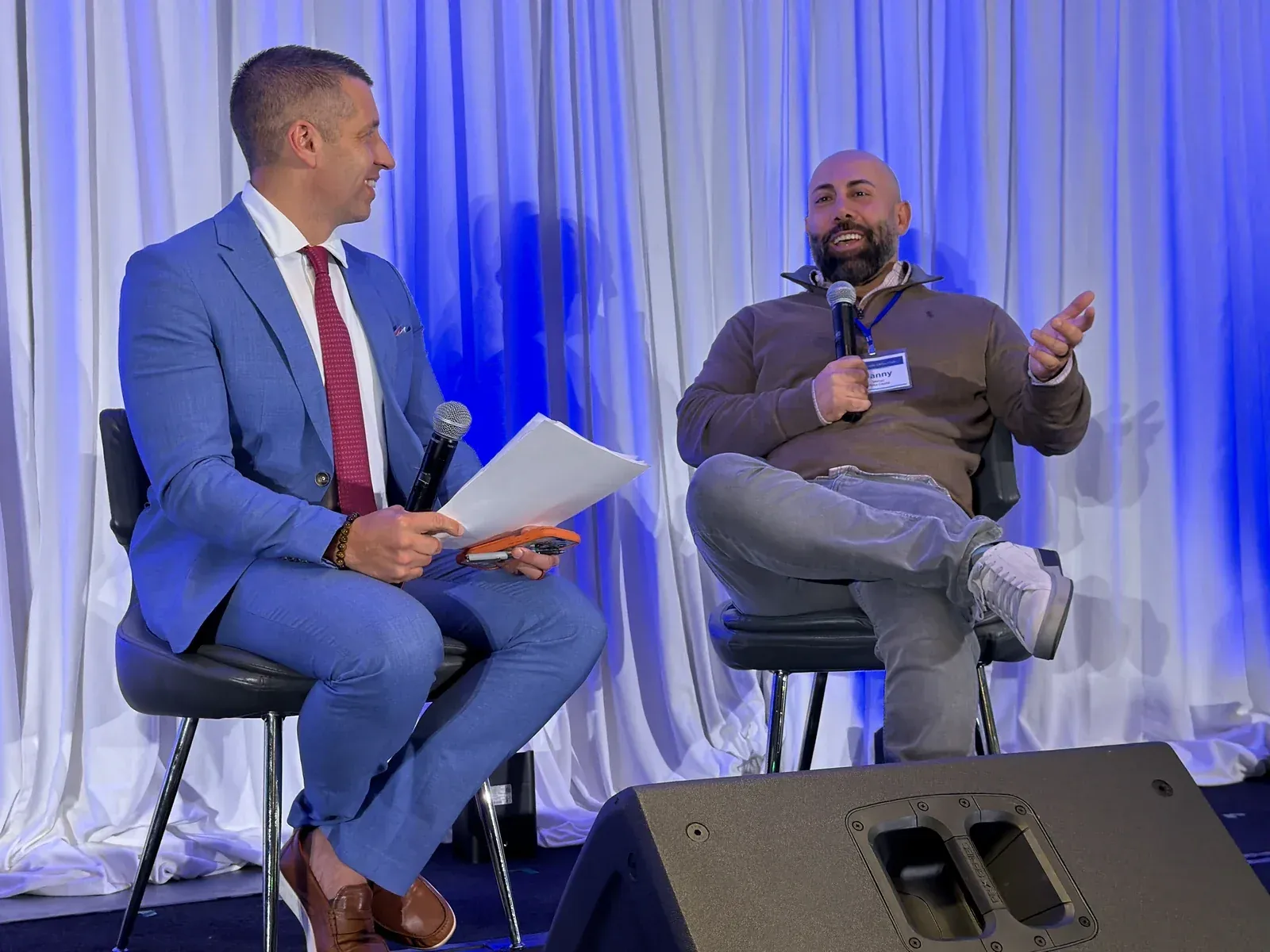
What they said
- Core co-founder on honesty and transparency. The Core Family Office co-founder says not to pitch too hard. They want to see what someone has, what they care about, and the value they bring. (at 4:40)
- Steven on building relationships over time. Steven says he has spoken with potential collaborators for years before finding a deal to work on. He recommends cultivating relationships even when no immediate opportunity is in view. (at 5:09)
- The banker on subject matter expertise. The sustainable investment banker and model developer says their work requires speaking with people who understand changing, complex subject areas. That knowledge can reveal opportunities for synergies. (at 6:06)
- The banker on commercial potential. The sustainable investment banker and model developer says they need to understand the full picture of a subject and whether it has commercial legs. (at 6:33)
- A panelist on first conversations. A family office panelist says not to try to prove something in the first 5 minutes. If the conversation is enjoyable, an opportunity may come up in a later conversation. (at 7:01)
From Richard's exclusive Billionaires.com interviews
Lessons from Richard C. Wilson's one-on-one interviews, as published on each interview page.
- Anu Aga: Focus on one main cause. Her family found its giving more satisfying and impactful once it chose primary education for the underprivileged in India.
- Binod K. Chaudhary: Never chase a deal out of desperation. Stay cool and look at every part of the deal. Have your advisers and your finance team review it critically. Your counsel should review it too.
- Larry Connor: Learn from every mistake. Larry's team owns its failures and makes no excuses. They learn, change quickly, and keep getting better.
See the data
Sources
Quotes are copied from the video captions and checked against the transcript. Timestamps link to the moment in the video. General information only, not legal, tax or investment advice.