
Richard C. Wilson's Family Office Startup Suggestions
Starting a family office is a major operational undertaking. In a video from Zurich, Richard C. Wilson shares practical suggestions drawn from his conversations with family offices. He frames the creation of a new multi-family office as a series of deliberate operating choices, all shaped by the specific clients it plans to serve.
His guidance covers the foundational steps: securing enough committed capital to operate, making the right first hire, designing services, and building the systems that allow work to continue smoothly when the founder is not in the room.
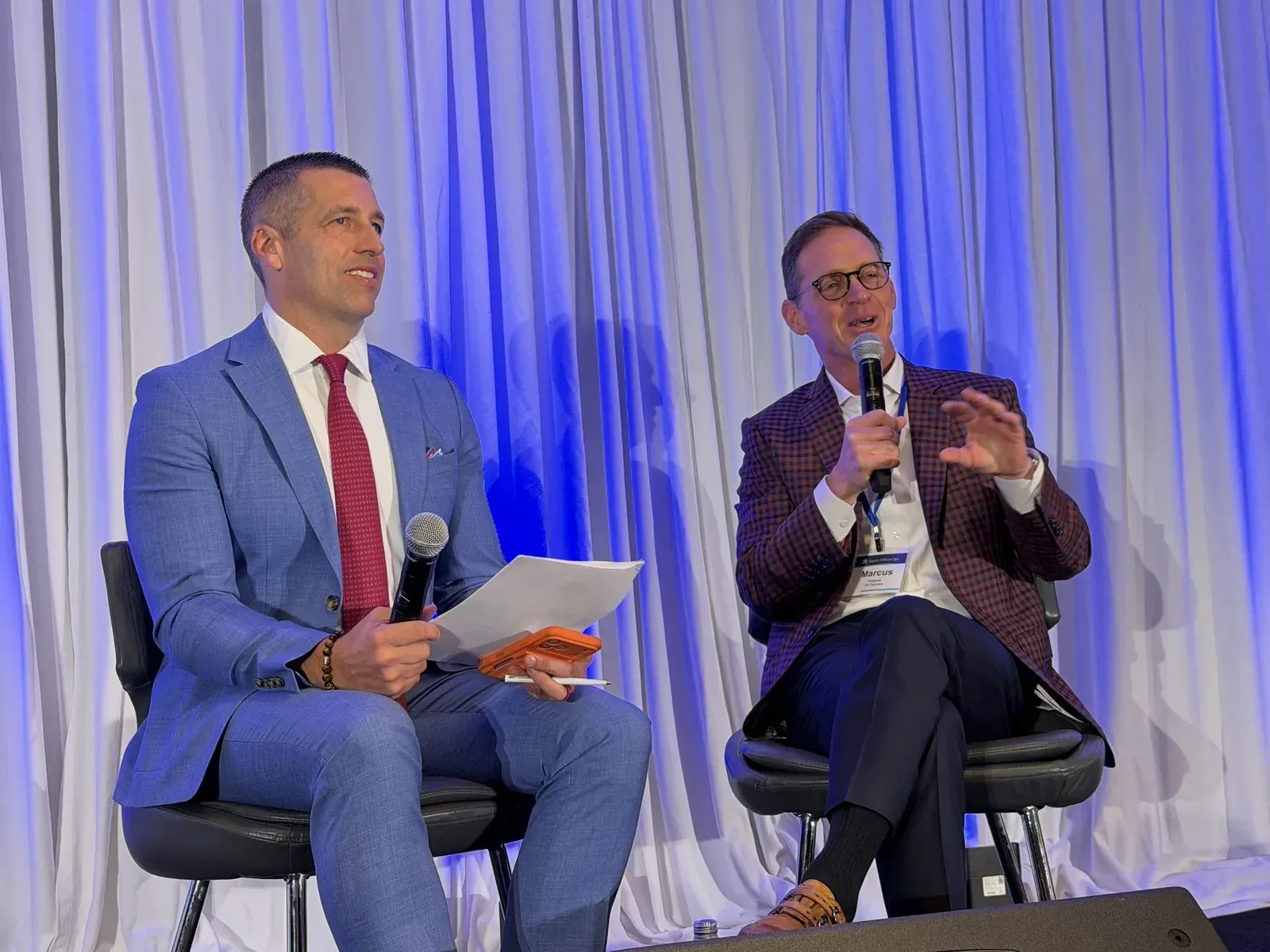
The Starting Point: Committed Capital and Client Focus
A new office needs a solid financial foundation. Richard C. Wilson suggests a new office should have between $50 million and $100 million in committed capital, with clients having signed papers or already moved their assets. He notes that less than $50 million makes it relatively challenging to cover the costs of serving clients thoroughly.
This capital underpins everything else. It dictates the services you can offer and the team you can build. Many wealth management firms wish they offered a full family office suite of services, but a dedicated office starts with a clear mandate from its founding clients.
The First Hire: A Critical Operational Decision
Your first employee sets the tone for the office's capabilities. Richard C. Wilson observes that probably 80% of the family offices he knows were started by someone with a CPA background. He recommends that first hire be a CPA or someone with deep, relevant taxation knowledge. This work should include experience with multi-generational wealth and trusts.
The amount of tax knowledge you need in-house depends entirely on the clients you plan to serve and where you are based. For a US-focused office, this is often the core competency. For an office with significant global exposure, such as those with clients in Monaco or Singapore, you may need someone with international experience or a source for global taxation and asset management advice.
Building an Institutional-Quality Operation
A family office is a business, not just a service. To be taken seriously and to function reliably, it needs to operate with institutional quality. This means clear processes and professional presentation.
Richard emphasizes the need for step-by-step operating procedures for marketing, client onboarding, performance and risk management, and even client departures. These systems ensure work continues smoothly when the founder is away.
The Guiding Principle: Capital Preservation First
The daily work of a family office is governed by a primary objective. Richard C. Wilson notes that the successful family offices he spoke with put capital preservation first. This isn't just an investment philosophy, it's an operating rhythm.
He recommends implementing day-to-day, week-to-week, month-to-month, and quarter-to-quarter reviews of performance, risk, and operations. This disciplined cadence turns the principle of preservation into a measurable, actionable practice.
A Practical Path Forward
Many family offices start with very little in assets, usually just one or two clients that kind of push them over the edge and get them started in the practice. The journey from that initial push to a mature operation requires intentional design.
The suggestions from Zurich provide a checklist: secure committed capital, hire for your core client need (often tax expertise), build systems for every key process, and let the principle of capital preservation dictate your operational rhythm. It's a blueprint for turning a service idea into a sustainable, professional family office.
Informational only, not financial, legal or tax advice.
What they said
- Richard on committed capital. Richard C. Wilson says a new office should have between $50 million and $100 million in committed capital, with clients signing papers or already having moved their assets. He says less than $50 million makes it relatively challenging to cover the costs of serving clients thoroughly. (at 1:22)
- Richard on the first hire. Richard C. Wilson says probably 80% of the family offices he knows were started by someone with a CPA background. He recommends a CPA or someone with relevant taxation knowledge, and says the work should include experience with multi-generational wealth and trusts. (at 2:16)
- Richard on experienced staff. Richard C. Wilson says many family offices bring most expertise under one roof, with a risk or institutional consultant as possible exceptions. He recommends flexibility in hiring and compensation, including a percentage of ownership or profits that can vest over three to five years. Profit sharing could begin after three or five years. (at 4:08)
- Richard on operating procedures. Richard C. Wilson recommends step-by-step processes for marketing, client onboarding, performance and risk management, and client departures. He says systems help work continue smoothly when the founder is away from the office. (at 5:03)
- Richard on capital preservation. Richard C. Wilson recommends day-to-day, week-to-week, month-to-month and quarter-to-quarter reviews of performance, risk and operations. He says the successful family offices he spoke with put capital preservation first. (at 5:32)
From Richard's exclusive Billionaires.com interviews
Lessons from Richard C. Wilson's one-on-one interviews, as published on each interview page.
- Anu Aga: Focus on one main cause. Her family found its giving more satisfying and impactful once it chose primary education for the underprivileged in India.
- Binod K. Chaudhary: Never chase a deal out of desperation. Stay cool and look at every part of the deal. Have your advisers and your finance team review it critically. Your counsel should review it too.
- Larry Connor: Learn from every mistake. Larry's team owns its failures and makes no excuses. They learn, change quickly, and keep getting better.
See the data
Sources
Quotes are copied from the video captions and checked against the transcript. Timestamps link to the moment in the video. General information only, not legal, tax or investment advice.