
How a New York Multifamily Office Approaches Real Estate Debt
In a late-cycle environment, where do sophisticated investors look for yield and stability? For one New York multifamily office, the answer has been US real estate debt. In this investor mandate interview, Richard C. Wilson speaks with Damian, who runs the illiquid alternatives side of the office. Damian details their shift from private equity and venture capital into a focused, collateral-backed lending strategy.
The conversation provides a clear look at how a professional office evaluates opportunities, selects partners, and structures its approach to fees and direct deals.
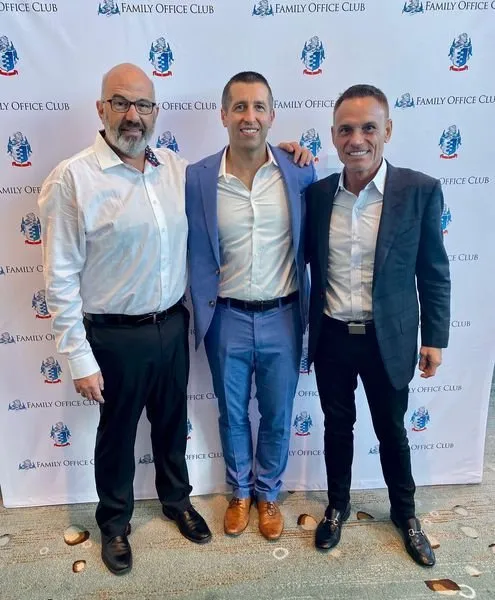
A Shift to Real Estate Debt
Damian explains that while the office had previously invested in private equity and venture capital, its recent focus for illiquid alternatives has been squarely on real estate. "I know that lending and anything that's income with high quality collateral behind it is of general interest when you're late in the cycle," he says.
The office is "100% focused in the US." For their international client families, the US market offers a diversification play away from their local currencies and the businesses that already tie them to their home markets.
The Appeal of Structured Lending
What makes real estate debt compelling for this office? Damian outlines several key features. Loan-to-value ratios typically range between 60% to 80%, meaning the loan is at a discount to the underlying property's value. The investments offer short-term exposure, predictable cash flows, and, for their foreign investor clients, favorable tax treatment.
The office does not do the underwriting itself. "We don't have the capacity," Damian notes. Instead, they focus on partner selection. "Looking for good lenders we could partner with to invest." They specifically seek out balance sheet lenders, not those who rely on fund flows. Damian reports that this approach has resulted in a portfolio with no defaults and no withdrawals, with lenders consistently positioned at the lower end of the LTV range.
Fees, Deals, and Access
The discussion turns to how the office evaluates individual deals versus fund investments. Damian says they prefer to assess deals individually, but can review a fund structure when they understand each underlying asset. This granular review is part of their due diligence.
He makes a practical point about fees. Partners who are paid well may bring the office good deals first. This gives fee decisions a direct effect on which opportunities the office gets to review. It's a reminder that in private markets, relationships and economics dictate access.
What to Take Away
This interview is a case study in tactical asset allocation. A multifamily office, acting on a late-cycle thesis, pivots from growth equity to income-generating, collateral-backed debt. They execute not by building internal underwriting teams, but by meticulously selecting and partnering with specialized lenders who have strong balance sheets.
The mandate is specific: US-focused, real estate-backed, with controlled risk via conservative LTVs. For any investor or family office building or preserving wealth, it demonstrates the value of a clear, executable thesis and a disciplined partner selection process. It also underscores that fee structures aren't just a cost, they are a mechanism for securing high-quality deal flow.
Watch the full interview on Richard C. Wilson's YouTube channel to hear Damian's explanations directly.
Informational only, not financial, legal or tax advice.
What they said
- Two investment areas. Damian says the office had invested in private equity and venture capital, but its recent illiquid alternative investments have focused on real estate. (at 1:28)
- US as a destination. Damian says the office is "100% focused in the US." He describes the US as a diversification option for families already exposed to their local currencies and markets through their businesses. (at 2:24)
- Why debt appealed. Damian says loan-to-value could range between 60 to 80, leaving the loan at a discount to the underlying property's value. He cites short-term exposure, good cash flows and no taxation for foreign investors as features that appealed to his clients. (at 3:47)
- Lender balance sheets. Damian says the lenders the office chose were balance sheet lenders with no use. He reports no defaults and no withdrawals in the portfolio, and says those lenders remained positioned at lower LTV. (at 6:37)
- Direct deal review. Damian says the office prefers to assess deals individually and can review a fund when it understands each underlying deal. He says paying partners well can help keep the office in line for good deals. (at 8:31)
From Richard's exclusive Billionaires.com interviews
Lessons from Richard C. Wilson's one-on-one interviews, as published on each interview page.
- Anu Aga: Focus on one main cause. Her family found its giving more satisfying and impactful once it chose primary education for the underprivileged in India.
- Binod K. Chaudhary: Never chase a deal out of desperation. Stay cool and look at every part of the deal. Have your advisers and your finance team review it critically. Your counsel should review it too.
- Larry Connor: Learn from every mistake. Larry's team owns its failures and makes no excuses. They learn, change quickly, and keep getting better.
See the data
Sources
Quotes are copied from the video captions and checked against the transcript. Timestamps link to the moment in the video. General information only, not legal, tax or investment advice.