
Richard C. Wilson on the Future of Single Family Offices
Richard C. Wilson shares his forecast for the single family office sector, grounded in his direct experience meeting with over 3,000 ultra-wealthy families and running an investor club for more than 16 years. This analysis expands on his video commentary to provide a practical look at where the industry is headed and what it means for families building or preserving wealth.
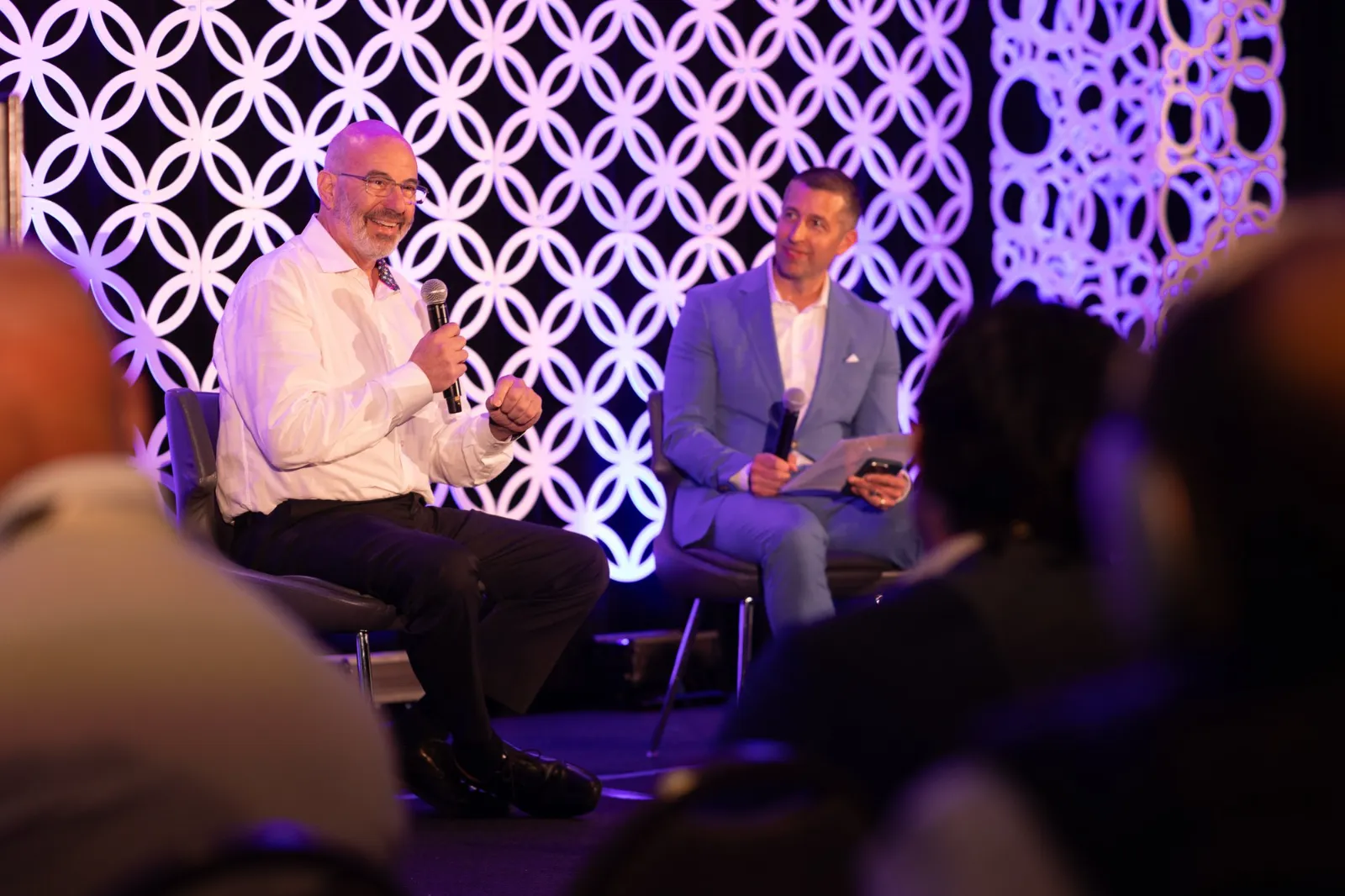
A Sector Poised for Exponential Growth
Wilson sees the formal use of family offices growing globally, with the United States and Europe leading in established structures. He identifies Singapore as a growth hub, with emerging interest from regions like Turkey, Brazil, and Indonesia.
His forecast is specific. He expects the industry to be three times larger in 5 to 7 years. Looking further out, he predicts it will grow to ten times its current size within 15 to 20 years. This expansion is driven by new wealth creation and a growing recognition of the family office as a dedicated structure for managing complex assets, legacy planning, and concentrated family capital.
The Rise of Lean and Virtual Operating Models
A key trend is the democratization of the family office model. It is no longer exclusive to billionaires. Wilson notes a rise in smaller, more agile structures.
He points to the increase in single family offices operating with just $40 to $50 million in assets, often managed by a single full-time family member, such as a son or daughter running the money. Alongside this, the use of virtual models or outsourced Chief Investment Officers (OCIOs) is growing. Wilson estimates there are already "hundreds, if not over a thousand" virtual family offices. These models allow families to access institutional-grade investment management and administrative support without the cost and complexity of a full-scale, in-house office.
The Strategic Trade-off: Discretion vs. Deal Flow
A central strategic question for family offices is how much visibility to maintain. The traditional model prioritizes absolute discretion. Wilson observes a shift, citing a specific example of a sixth-generation family office that has chosen a different path.
This office has developed a professional website and public brand. Their goal is to attract more deal flow and facilitate joint ventures, co-investments, and club deals. They view a public profile as a strategic asset for sourcing unique opportunities that would not come to a completely private entity.
Wilson contrasts this with the prevailing concern that has kept most offices private: the fear that visibility will lead to a flood of unsolicited sales pitches and a loss of privacy. The example illustrates a calculated trade-off. For families with a long-term horizon and a desire to be proactive deal-makers, some visibility can be a net positive. As Wilson notes, "there'll always be some that are very discreet and very private," but the spectrum of acceptable strategies is widening.
Practical Takeaways for Families and Advisors
- Consider the model that fits. The family office structure is not one-size-fits-all. A virtual or lean single-family office can be a powerful and cost-effective solution for managing concentrated wealth, even at the $50 million level.
- Weigh visibility strategically. If your primary need is discretion, remain private. If your goal is to source and lead investments, building a professional brand and a degree of visibility can be a legitimate strategy to improve deal flow and find like-minded co-investors.
- Prepare for a more crowded field. As the industry grows, competition for top talent, exclusive deals, and specialized service providers will intensify. Building a strong network and a clear value proposition will become even more important.
Wilson's perspective is informed by firsthand observation. As he shared in another context about building relationships, "We gave our Singapore report away, and its page received more than 23,000 views in the first two months." This principle of providing value to attract the right audience applies equally to family offices considering their own profile and outreach.
The future of single family offices is one of greater scale, more diverse operating models, and strategic choices about public engagement. Families should assess these trends not as inevitable paths but as a broader menu of options for preserving and growing their legacy.
Informational only, not financial, legal or tax advice.
From Richard's exclusive Billionaires.com interviews
Lessons from Richard C. Wilson's one-on-one interviews, as published on each interview page.
- Anu Aga: Focus on one main cause. Her family found its giving more satisfying and impactful once it chose primary education for the underprivileged in India.
- Binod K. Chaudhary: Never chase a deal out of desperation. Stay cool and look at every part of the deal. Have your advisers and your finance team review it critically. Your counsel should review it too.
- Larry Connor: Learn from every mistake. Larry's team owns its failures and makes no excuses. They learn, change quickly, and keep getting better.
See the data
Sources
Quotes are copied from the video captions and checked against the transcript. Timestamps link to the moment in the video. General information only, not legal, tax or investment advice.