
How should investors evaluate a biotech opportunity?
This page is for investors assessing a biotech opportunity. It lays out practical questions drawn from Richard C. Wilson's interview with Richard Berenson of Thermalin Inc.: Is the science sound? Is there a real need? What supports the company's claims, and can the team carry the work forward?
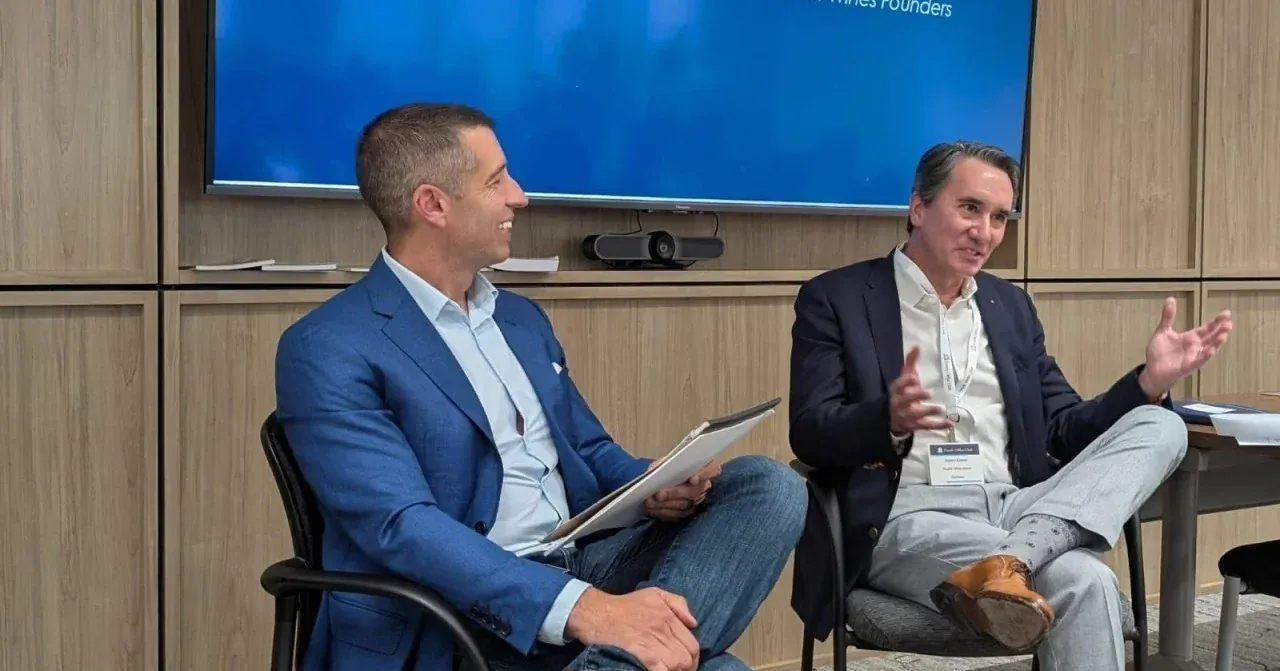

Start with the science and the need
Berenson said investors should check whether the science is right and whether the need is real. Ask the company to explain the problem its technology aims to address, the evidence behind its approach, and what remains to be shown. A meaningful need alone does not establish that a technology can solve it.
The interview also compared historical phase-one approval rates for insulin and oncology drugs. Treat that comparison as context about differences between treatment areas, not as a prediction for a particular company.
Verify outside validation
Berenson said two major pharmaceutical companies had committed to Thermalin, one had invested, and another was going to take equity. He also said Thermalin had received a $3 million NIH grant and that the NIH had vetted the work. These are statements about Thermalin from the interview, not proof that another biotech opportunity is sound.
For any company, clarify what each claimed validation means. Is it an investment, a commitment, a grant, or a review? What was evaluated, and what conditions apply? Ask for supporting documents and verify important claims where appropriate.
Assess the team and its work
Berenson said investors need to dig into the team. He described the work as solving a real problem, finding a technology solution, putting it together, and working through setbacks.
Ask who is responsible for the scientific and business work, what the next steps are, and how the team expects to handle obstacles. Look for clear answers about what is known, what is uncertain, and what needs to happen next. If you cannot assess the scientific evidence yourself, seek qualified scientific or medical expertise.
A practical diligence checklist
Before deciding whether to pursue an opportunity, ask:
- What problem is the company trying to solve, and for whom?
- What evidence supports the science, and what remains uncertain?
- What do comparisons with other treatment areas clarify, and what can't they tell you about this company?
- What validation is claimed, and can you confirm its source and meaning?
- Who is accountable for the work, and how will the team respond to setbacks?
The interview offers screening questions, not a complete clinical-development framework or an investment recommendation. Use the answers to identify what further diligence is needed.
How to use this page
The page summarizes an interview, not a biotech evaluation service. It does not list a form, call, download, or event for getting an assessment. For related Billionaires.com material, see the interview video and the related pages listed below.
Frequently asked questions
What did Berenson say investors should examine?
He pointed to the science, whether the need is real, outside validation, and the team's ability to do the work and handle setbacks.
What validation did Berenson describe for Thermalin?
He said two major pharmaceutical companies had committed to Thermalin, one had invested, and another was going to take equity. He also cited a $3 million NIH grant and said the NIH had vetted the work.
What expertise did Berenson say Thermalin's scientific founder had?
He described the founder as an expert in the structure and function of the insulin molecule.
Related
- How did Larry Namer manage his money after selling his company?
- Tim Draper on Turning Points, Customers and Risk
- How can investors combine expert views and data when making decisions?
See the data
- Top billionaire industries
- A million vs a billion
From Richard's exclusive Billionaires.com interviews
Lessons from Richard C. Wilson's one-on-one interviews, as published on each interview page.
- Michael Lee-Chin: Invest in what people will do next. He saw that his generation would shift from consuming to saving and investing. He chose wealth management companies over banks and insurers to avoid underwriting losses.
- Tom Rosen: Buy when the market is down. Tom bought a lot when the stock market almost collapsed and made a substantial profit. In the year that followed, oil and gas surged. So did some tech.
- Tim Draper: Teach children about money early. Give them a small allowance and have them earn and invest money in the stock market. Over time they learn to ask sharp questions about how a business works.
See the data
Sources
Quotes are copied from the video captions and checked against the transcript. Timestamps link to the moment in the video. General information only, not legal, tax or investment advice.