
How Connie Looks for Asymmetric Investment Upside
This video page is for founders and investors evaluating private company opportunities. It summarizes a live Family Office Club panel where Connie explains what she considers when assessing a deal, including the founder, team, investment structure, and time horizon.
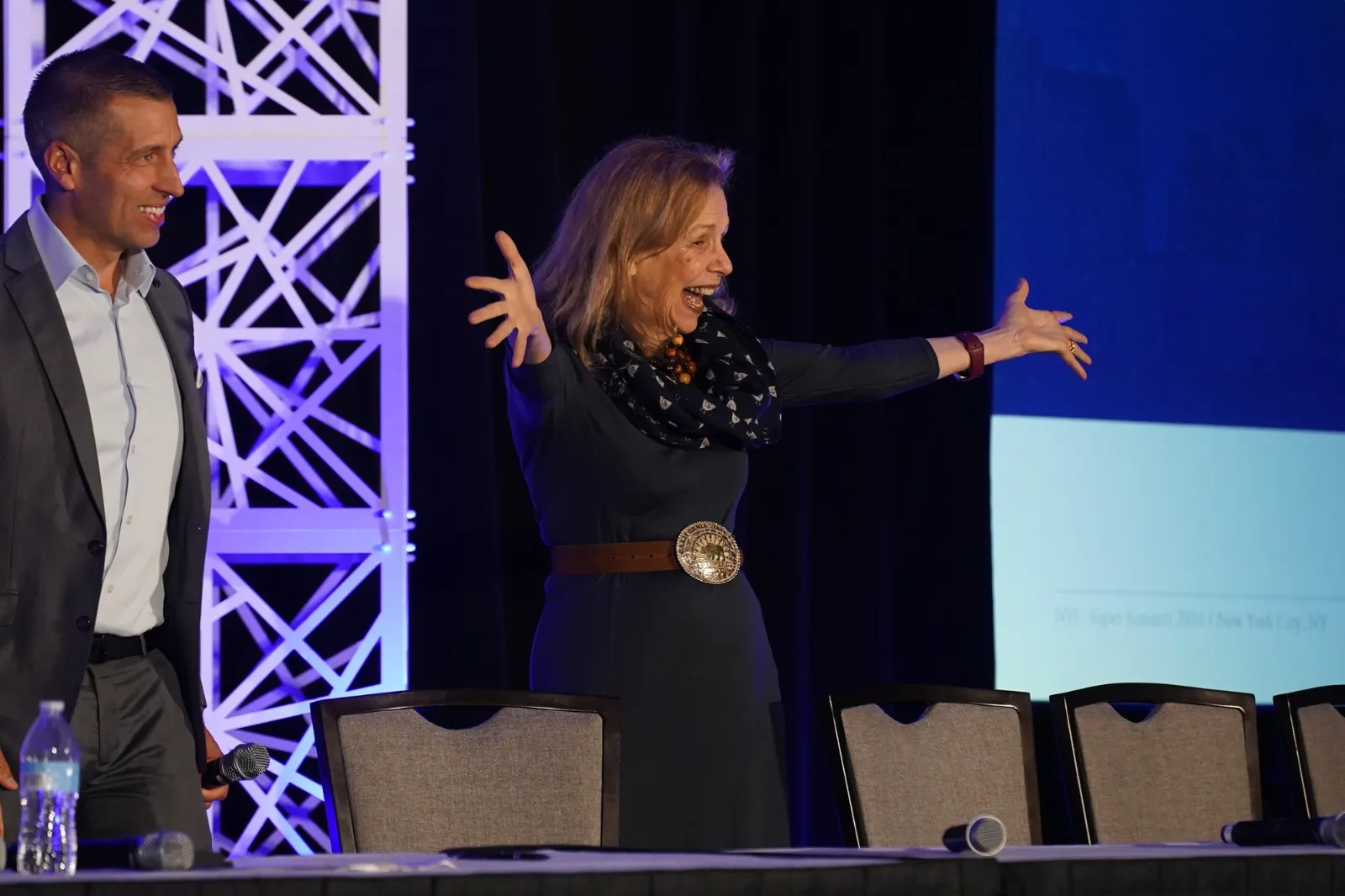
What Connie considers
Connie says entrepreneurs who have direct knowledge of the problem they are trying to solve can make a tremendous difference. That gives founders a practical question to consider: can the team explain the problem from experience, and why its approach addresses it? (2:18)
She also emphasizes the team's ability to execute. Connie described an investment in a company with a working device whose team could not make it work. The company stayed in business, but she took a loss. Her observation was that a strong team can succeed with a mediocre product, which makes execution worth examining separately from the product itself. (4:41)
Structure is another part of her screen. Connie prefers private equity and will consider straight private equity and convertible notes. She also said, "Safes are best for the entrepreneur, not always great for the investor." (1:50)
Connie's network has made about half of its investments in life sciences, and she said it is trying to consider other opportunities. For her, sector mix sits alongside the specifics of each deal. (1:50)
Her investment insight centers on limited downside, exceptional people, and time to compound. Connie described a three-to-four-year path rather than six to ten years, while acknowledging that she dreams of outsized returns. These are the criteria she shared on the panel, not a guarantee of a particular outcome. (4:12)
Watch the panel
Richard C. Wilson introduces the Hot Investor Trends panel. The full video is on Richard C. Wilson's YouTube channel. Use the timestamps above to go directly to Connie's comments on founder experience, investment structures, team execution, sector mix, and time horizon.
For related material already linked here, see How Billionaires Invest, Top billionaire industries, and A million vs a billion.
Frequently asked questions
Who is Connie?
She is an investor on the panel with an angel investor and family office network.
What investment structures does she consider?
She prefers private equity and will consider straight private equity and convertible notes. She is cautious about SAFEs.
What does Connie's network invest in?
She said about 50% of its investments have been in life sciences and that the network is looking at other opportunities.
What time horizon did Connie describe?
She said they are talking about three to four years rather than six to ten years.
What was the aircraft rivet company example?
Connie described a tool for removing aircraft rivets during maintenance, repair, and overhaul. She said the company had struggled with regulation and airline adoption. It took about a decade to reach progress.
What they said
- Connie on founder experience. Connie said entrepreneurs with direct knowledge of the problem or pain they are trying to solve make a tremendous difference. She pointed to that connection as a type of founder she looks for. (at 2:18)
- Connie on investment structures. Connie said she prefers private equity and will consider straight private equity and convertible notes. She also said her group reviews a broad range of opportunities. (at 1:50)
- Connie on team execution. Connie said a strong team can succeed with a mediocre product. She described an investment in a company with a working device whose team could not make it work, leaving her with a loss while the company stayed in business. (at 4:41)
- Connie on sector mix. Connie said about 50% of the network's investments have been in life sciences. She said they are trying to look at other opportunities. (at 1:50)
- Connie on risk, people and time. Connie framed her investment insight around limited downside, exceptional people and time to compound. She said they are talking three to four years rather than six to ten years, and described outsized returns as what she is dreaming of. (at 4:12)
From Richard's exclusive Billionaires.com interviews
Lessons from Richard C. Wilson's one-on-one interviews, as published on each interview page.
- Michael Lee-Chin: Invest in what people will do next. He saw that his generation would shift from consuming to saving and investing. He chose wealth management companies over banks and insurers to avoid underwriting losses.
- Tom Rosen: Buy when the market is down. Tom bought a lot when the stock market almost collapsed and made a substantial profit. In the year that followed, oil and gas surged. So did some tech.
- Tim Draper: Teach children about money early. Give them a small allowance and have them earn and invest money in the stock market. Over time they learn to ask sharp questions about how a business works.
See the data
Sources
Quotes are copied from the video captions and checked against the transcript. Timestamps link to the moment in the video. General information only, not legal, tax or investment advice.