
Why Family Offices Move Slowly on Direct Investments
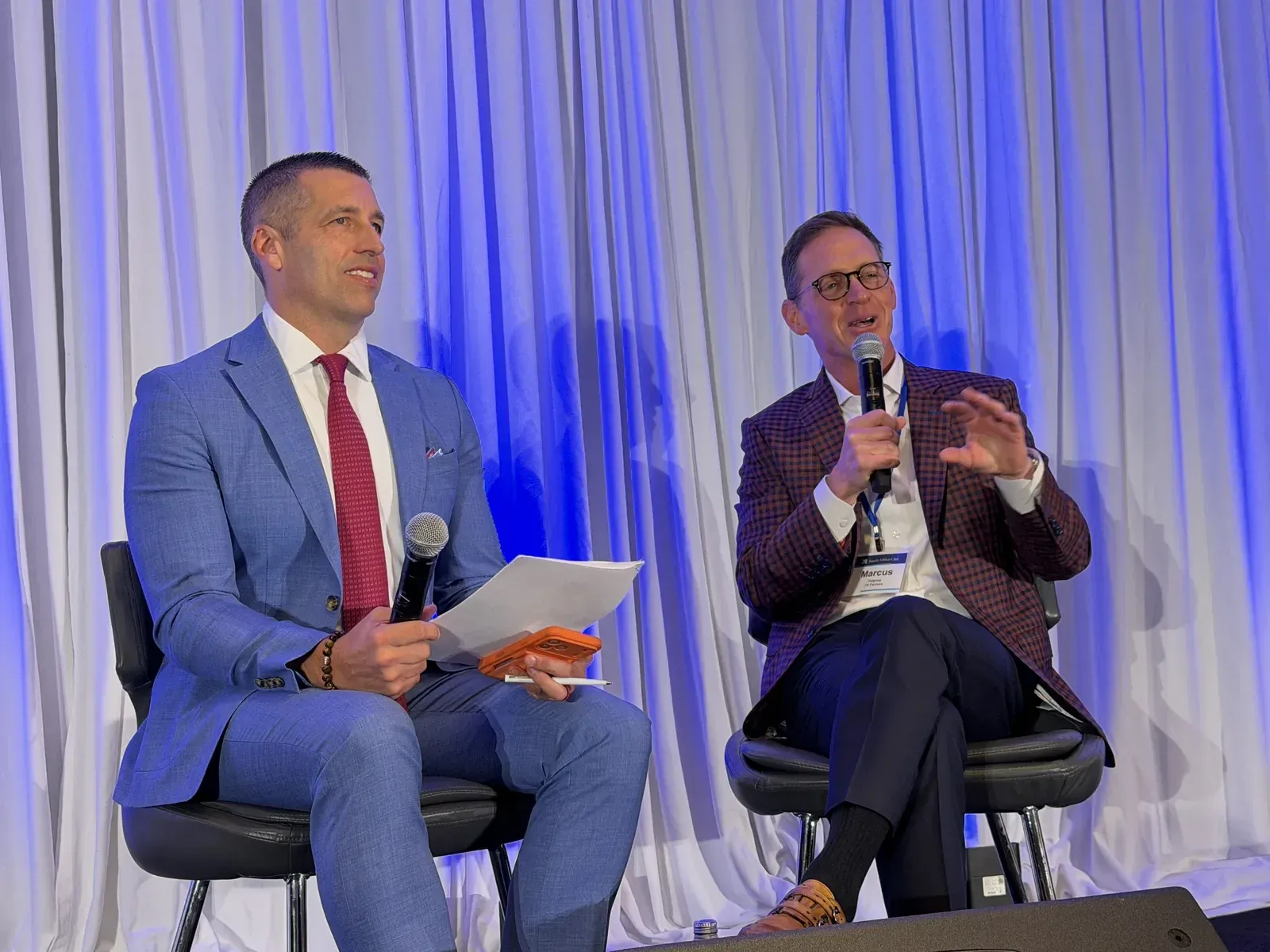
On the Family Office Podcast, Richard C. Wilson interviews Michael, a former family office investment executive, about how single family offices pursue direct investments. Their conversation covers what affects deal pace, how offices can organize sourcing and diligence, where opportunities and peer relationships may come from, and how an office can judge its own ability to support a business.
In this video: Richard C. Wilson (Host of the Family Office Podcast) Michael (Former family office CIO and CFO, now a consultant to family offices and businesses)
A deliberate pace is a feature, not a bug
Family offices often lack the fixed deployment schedules and large staffs of institutional private equity firms. Michael points out that this can lead to a more methodical approach. They aren't pressured to put capital to work by a specific quarter-end. This allows them to be highly selective, waiting for the right opportunity that fits their specific criteria and comfort zone.
The deal must be compelling on multiple fronts
A slow pace means a high bar. As Richard has explained in his capital raising series, a single compelling feature is rarely enough to secure a commitment from a sophisticated investor who sees many deals.
"Lots of times a great deal will have something that's simple to understand or values being added for sure in a way that can be diagrammed visually, hopefully," Richard notes. "The downside is secured by some sort of collateral is in place and that the deal is simple, credible, believable, and it's not too good to be true."
Michael adds that a principal's focus often narrows to industries they know intimately, viewing a potential company through an operator's lens. Venturing outside that zone requires significant learning and a close fit with the office's capabilities.
Diligence is non-negotiable, even with trusted partners
Michael emphasizes that legal and financial diligence can be outsourced, but the investment review must be done in-house from the investor's unique perspective. He offers a stark warning: even respected partners can miss critical issues.
He shares a story where his team was considering a follow-on investment after a prominent venture capital firm had given the company its stamp of approval. Just two months later, that same firm was questioning what it had gotten involved in. The lesson, Michael says, is that investors must always do their own homework.
Being prepared for and responsive during due diligence is critical. As Richard states, "I don't know how many times we work on deals and we ask questions and then somebody takes five weeks to reply, three weeks to reply. They never reply... It's basically like, hey, do you want our capital? Are you serious about raising capital?"
Matching team capacity to the investment role
Before committing, Michael advises an office to clearly define its intended role. Is it a passive financial investor, or will it need to be hands-on, assisting with a turnaround, management changes, or process reengineering? The answer dictates the internal team's required size and skill set. A company needing significant operational support demands more from the office than its small team may be able to provide, which is a valid reason to pass or to structure the deal with an operating partner.
For sourcing, Michael recommends a team of two, with at least one person who already has deep industry channels and relationships. An existing network can dramatically speed up introducing the family office to the right market opportunities.
What this means for you
If you are raising capital from family offices, understand that their process is inherently slower. Your deal needs to be exceptionally clear, credible, and tailored to their specific interests. You must be impeccably prepared for diligence and respond with precision and speed.
If you work in or advise a family office, recognize that a slow, methodical pace is a strategic advantage. It allows for deep focus, thorough diligence, and the patience to wait for the rare opportunity that meets multiple high-conviction criteria. Building a small, well-connected sourcing team and honestly assessing your capacity for hands-on involvement are key steps to deploying capital effectively.
Informational only, not financial, legal or tax advice.
What they said
- A slower pace can be deliberate. Michael says family offices may lack a fixed deployment schedule and have smaller staffs than private equity firms. He says those limits can make them more methodical about which deals they pursue. (at 9:00)
- Comfort zones narrow the search. Michael says a principal may focus on an industry they know well and look at a company through an operator's lens. Moving into a new sector can mean learning it first and seeking a close fit. (at 10:28)
- Michael on matching staffing to the work. Michael says a company needing a turnaround, management changes, or manufacturing process reengineering calls for more hands-on support. He recommends deciding the intended role before setting the internal team's size. (at 17:42)
- Michael on building a connected sourcing team. Michael recommends a sourcing team of two, with at least one person who already knows the industry's channels and relationships. He says an existing network can speed up introducing the office to the market. (at 20:02)
- Michael on independent diligence. Michael says legal and financial diligence can be outsourced, while someone in-house should review the work from the investor's perspective. (at 20:30)
- Michael on checking an investment partner's work. He cautions that even a respected investment partner can miss problems. (at 30:00)
From Richard's exclusive Billionaires.com interviews
Lessons from Richard C. Wilson's one-on-one interviews, as published on each interview page.
- Anu Aga: Focus on one main cause. Her family found its giving more satisfying and impactful once it chose primary education for the underprivileged in India.
- Binod K. Chaudhary: Never chase a deal out of desperation. Stay cool and look at every part of the deal. Have your advisers and your finance team review it critically. Your counsel should review it too.
- Larry Connor: Learn from every mistake. Larry's team owns its failures and makes no excuses. They learn, change quickly, and keep getting better.
See the data
Sources
Quotes are copied from the video captions and checked against the transcript. Timestamps link to the moment in the video. General information only, not legal, tax or investment advice.