
How Families Plan Multi-Generational Wealth Transfers
Multi-generational wealth transfer is a practical challenge. It's not just about moving money. It's about structuring access, guiding behavior, and choosing partners who will be there for decades.
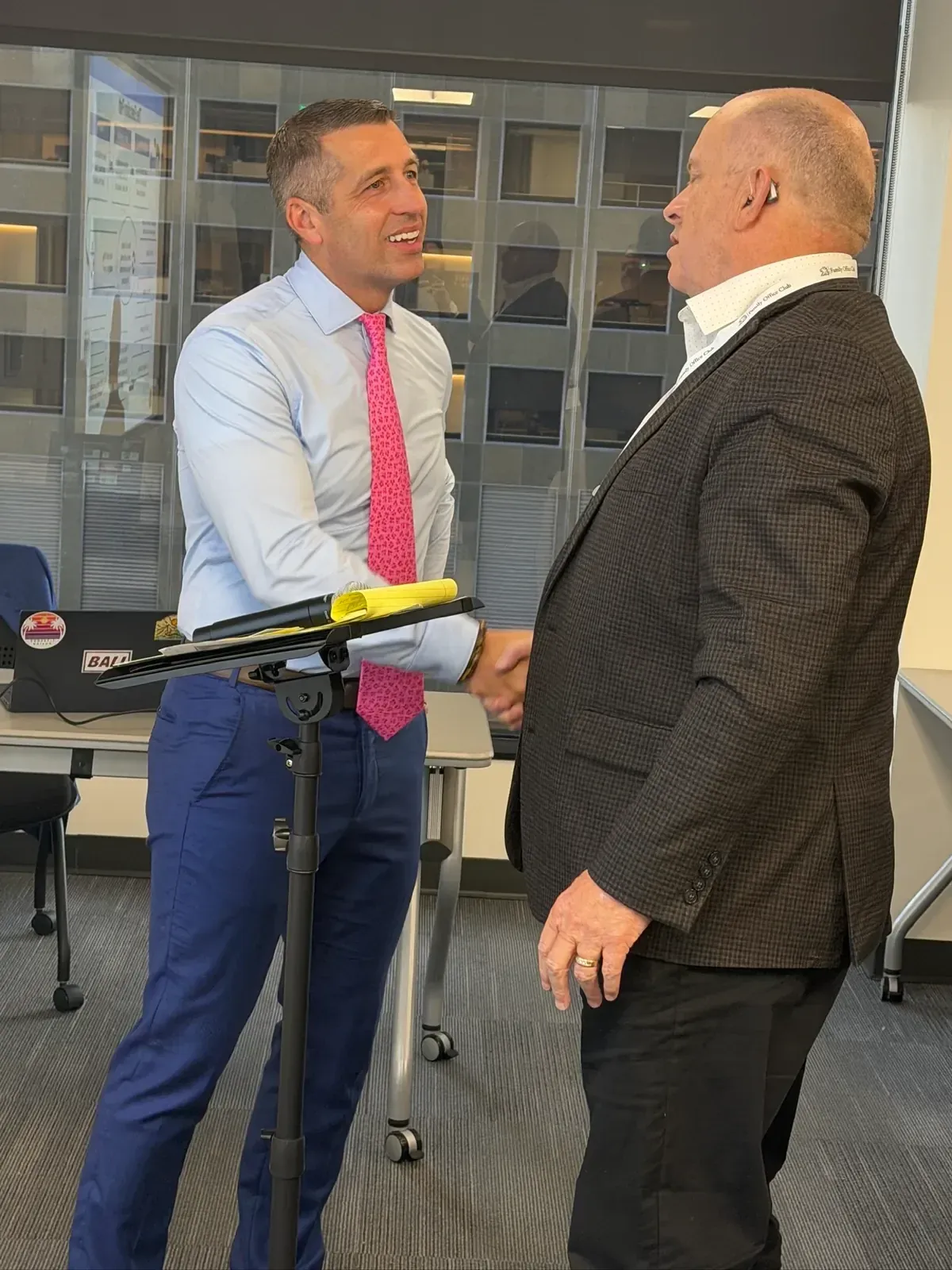
This video, recorded by Richard C. Wilson from a family office conference in the Swiss Alps, outlines how families approach this process. He covers distribution structures, career paths into the field, and how to select long-term providers.
The mechanics of distribution
A simple, equal split among heirs is often the default. But it can lead to higher taxes and may not align with family goals or the preparedness of the next generation.
Many families use staged distributions. A common framework schedules payments at key life milestones, such as ages 18, 27, 35, and 50. The amounts or timing can be customized. This provides access while mitigating the risk of a large, sudden inheritance being mismanaged.
Older relatives often retain discretion within these structures. Access to scheduled funds can depend on whether younger family members are acting responsibly, attending school, or taking life seriously. This gives stewards a say beyond the calendar.
Choosing a long-term partner
Selecting a provider for multi-generational wealth management is a long-term relationship decision. It requires getting to know the people involved.
Richard emphasizes the importance of personal due diligence. "You really should meet with people three or four times, at least once or twice outside their offices," he advises. This helps assess if they are someone you and your family can trust for the long haul.
The scale of the family office matters. Richard notes, "The bigger the family office, the bigger the family or the more wealth being managed by the family office, the more important this is." Larger, more complex fortunes demand more robust and tested planning structures.
How to enter the field
For those interested in this work, Richard outlines two main paths. One is working directly for a family office, which typically requires prior experience. The other is joining a large private bank or trust company. These larger institutions often have training programs and may hire people with little or no direct experience for operational roles.
The field is global. In the video, Richard recalls a speaker at a family office summit in São Paulo discussing trust vehicles in jurisdictions like New Zealand, Singapore, the Cayman Islands, and Bermuda, highlighting the international nature of the tools used.
What to take from this
Wealth transfer planning is active, not passive. It involves custom structures that reflect family values and prepare heirs. The choice of professional advisor is a relational one, based on repeated, informal meetings. For families, the goal is to preserve not just capital, but legacy and harmony across generations.
Informational only, not financial, legal or tax advice.
From Richard's exclusive Billionaires.com interviews
Lessons from Richard C. Wilson's one-on-one interviews, as published on each interview page.
- Anu Aga: Check before you give. Study the work of an NGO, ask more questions, and visit it if you can. This leads to an informed decision.
- Tim Draper: Make your customers your sales force. Hotmail put a message at the bottom of the screen inviting people to get free email. It spread to 11 million users.
- Don Wenner: Commit to scale. Don's major turning point came when he decided to build a great company that makes an impact. Making money and being successful was not enough for him.
See the data
Sources
Quotes are copied from the video captions and checked against the transcript. Timestamps link to the moment in the video. General information only, not legal, tax or investment advice.