
How can an entrepreneur build momentum in a business?
Build momentum by choosing a narrow market where your business can win, then putting steady effort into serving it better. Run small experiments to learn what customers respond to, protect time for the work that matters, and hand off tasks that don't need your attention. Momentum comes from repeating useful actions and improving them, not from chasing every opportunity. Richard C. Wilson's advice is to focus on the area where the business is strongest, learn faster than others in that niche, and turn down profitable work when it pulls the company away from that focus.
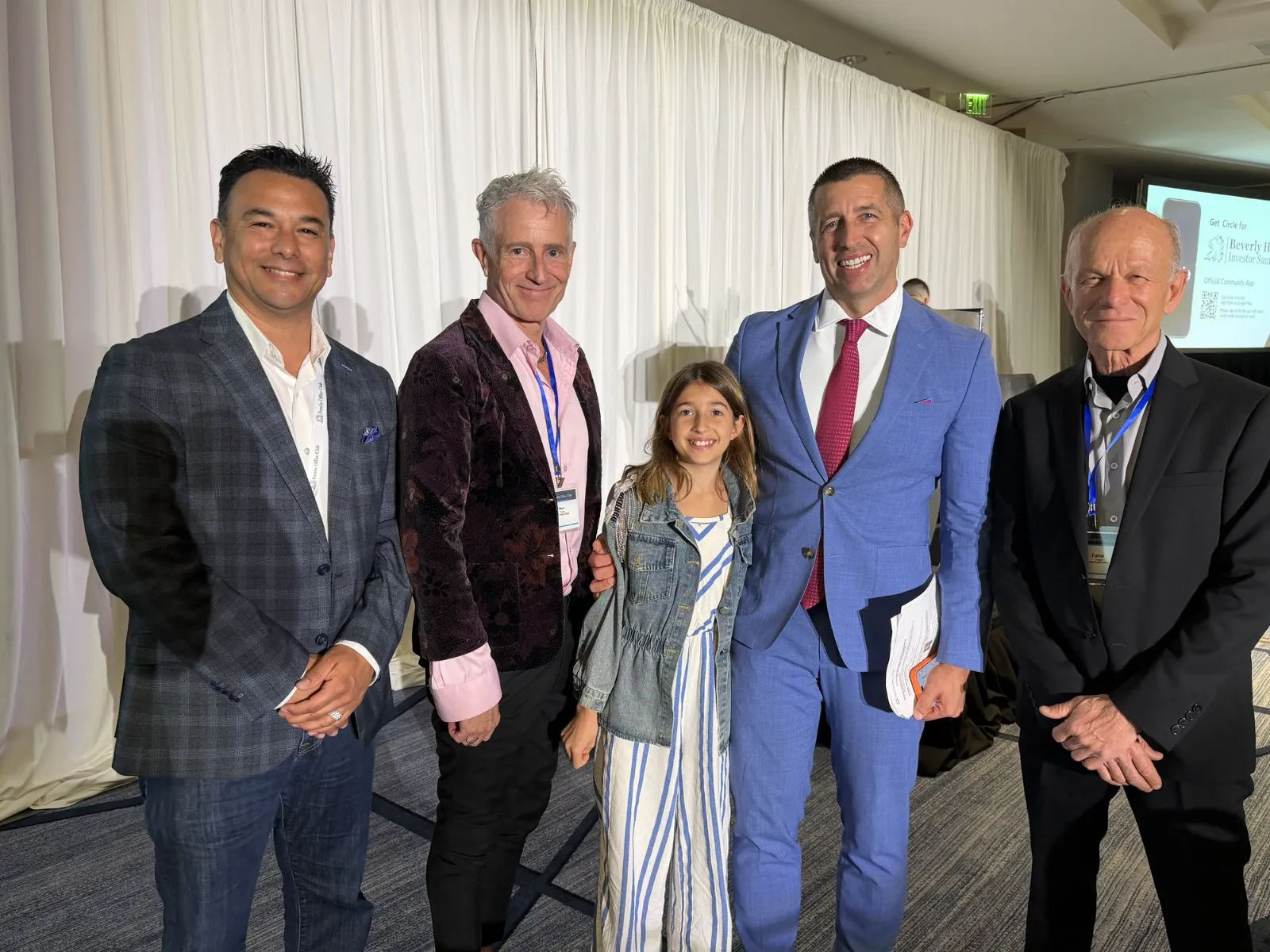

Richard on choosing a niche
A business gains traction when customers can understand what it does and why it fits their needs. Richard recommends narrowing the business to an area where it is strongest, makes the most money, has momentum, or meets demand. Establish yourself there and stay with it long enough to build expertise and recognition.
That doesn't mean choosing a niche once and ignoring evidence. It means making a clear choice, then paying attention to whether customers keep responding. If the business is spread across too many products or audiences, it becomes harder to learn which efforts are working. A narrower focus makes those signals easier to see.
Richard puts learning at the center of this approach: "if you want to be number one a great way to give yourself a shot at that is to out learn everybody in the niche". Treat that as a working habit. Keep learning about customer needs, the problems they will pay to solve, and what makes your offer distinct.
Richard on learning through experiments
Experiments help a business replace assumptions with evidence. Richard recommends quick experiments that let you learn and iterate while others are still planning. Keep them small enough that a disappointing result won't damage your reputation or put other people's money at risk.
For each experiment, identify one question. For example: Will customers respond to a clearer description of the offer? Does a different service process make it easier for them to buy? Can the team deliver the work consistently? Decide what result would count as useful evidence before you begin.
Then review what happened and choose a next step: repeat the experiment, adjust it, or stop. A quick test is only useful if the business acts on what it learns. Record the decision so you can compare later results and avoid repeating tests without a reason.
Richard on protecting focus
A niche strategy only works if the business protects time and attention for it. Richard says to turn down profitable work when it pulls attention from the chosen focus. That can be difficult when an opportunity brings immediate revenue, but taking on work that the company cannot support may distract the team from serving its core customers.
Before accepting a new project, check whether it strengthens the business's position in its chosen area. Consider the customer fit, the work required, and what the team would have to postpone. If the opportunity is outside the focus, the revenue alone may not justify the distraction.
Focus also depends on how the work is organized. In Richard's interview with Tony Robbins, Robbins described moving from operator to owner as a turning point. He said operators try to supervise everything, which makes scaling difficult. His way of thinking changed from asking how to get something done to asking who could do it best and most rapidly. For an entrepreneur, that suggests looking for repeatable responsibilities that someone else can own, so the founder can protect time for the decisions and work that need their attention.
A practical momentum checklist
- Choose one customer group and one clear problem to focus on.
- Identify the part of the business where you are strongest, have demand, or see momentum.
- Set a small experiment around one customer or operating question.
- Define what you'll learn and what result would change your next step.
- Review results regularly and make a decision to repeat, adjust, or stop.
- Decline or defer work that pulls attention from your chosen focus.
- Assign repeatable tasks to capable people so you can spend time on the work only you can do.
From Richard's exclusive Billionaires.com interviews
The following summaries come from Richard's one-on-one interviews as presented on their interview pages.
Bobby Castro: Change the strategy to scale. Castro says that scaling requires changes throughout the business. He suggests asking whether the business is scalable, offers a solution, and is disruptive.
Tony Robbins: Think like an owner. Robbins described shifting from operator to owner as a major turning point. He said an operator who tries to supervise everything cannot scale.
Don Wenner: Commit to scale. Wenner said his turning point came when he decided to build a great company that makes an impact. Making money and being successful was not enough for him.
Related Questions
- How did Todd scale a T-Mobile retail business to 150 stores?
- Larry Namer on Building E. And Choosing What to Scale
- How did Kevin Harrington adapt his businesses when TV sales slipped?
See the data
- Years to a billion
- Top billionaire industries
Frequently asked questions
How can an entrepreneur build momentum in a business?
Choose a focused niche, learn what customers respond to through small experiments, and protect the time and attention needed to serve that market well. Delegate repeatable work as the business grows.
Should a business take every profitable opportunity?
No. Richard advises turning down profitable work when it pulls attention from the business's chosen focus. Consider customer fit, team capacity, and the work you would have to delay.
From Richard's exclusive Billionaires.com interviews
Lessons from Richard C. Wilson's one-on-one interviews, as published on each interview page.
- Bobby Castro: Change the strategy to scale. Bobby says that to scale a business, everything has to change. He suggests asking whether the business is scalable, whether it offers a solution and whether it is disruptive.
- Tony Robbins: Think like an owner. His biggest turning point was moving from operator to owner. An operator tries to supervise everything and cannot scale.
- Don Wenner: Commit to scale. Don's major turning point came when he decided to build a great company that makes an impact. Making money and being successful was not enough for him.
See the data
Sources
Quotes are copied from the video captions and checked against the transcript. Timestamps link to the moment in the video. General information only, not legal, tax or investment advice.