
How Family Offices Keep Generations in Conversation
A family's wealth can last for generations, but its unity often does not. The transition from one generation to the next is a common point of failure. This video from a Billionaires.com event features two family office leaders explaining the practical steps they take to keep their families connected and prepared.
The conversation moves past abstract theory. You hear specific methods: structured retreats, regular meetings, and intentional education. These are tools used by families who have successfully navigated the handoff.
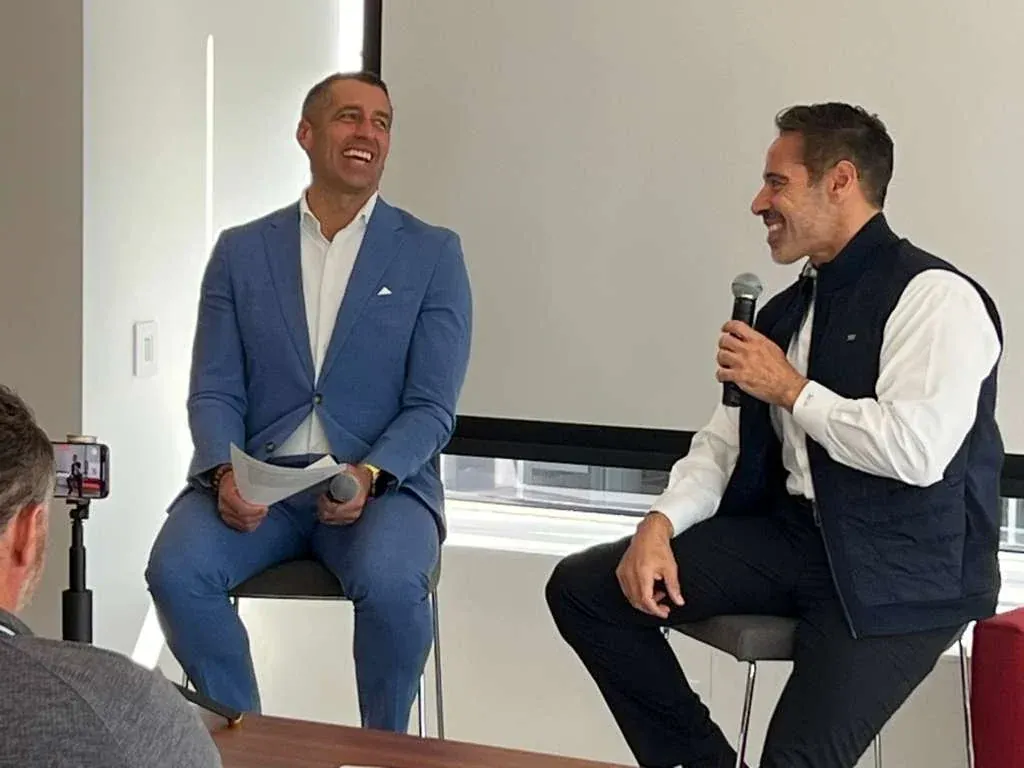
What They Said
The first speaker focuses on family governance retreats. These are multi-day events, often held in places like national park lodges that hold family memories. An internal staff member or an outside consultant facilitates. The agenda is built from input from all family members and the person in charge. This structured, dedicated time forces conversation about the future in a setting removed from daily business.
The second speaker details a system of recurring meetings and early preparation. Their family holds two main meetings each year, one in the spring and one in the fall. Preparing the children for leadership was a priority long before the family office was formally created. The speaker brought their children along to see the work firsthand.
When it came time to choose a structure, this family interviewed several multifamily offices but decided to manage their own single-family office after weighing the fees. They now syndicate deals with other families in their region.
A key point from the second speaker is the active transition of meeting leadership. They stated, "The oldest son now sets the agenda and does most of the talking at family meetings, while the speaker stays available for questions." This practice puts the next generation in charge before the full handoff is complete, building confidence and continuity.
The education extends to the youngest generation as well. The family teaches financial literacy to grandchildren old enough to understand. They also include health and wellness as subjects considered equally important to family finances.
In Their Words
Direct quotes from the video highlight the approach:
- On choosing a meeting location with family history: "that gives us a little bit of a DNA feeling."
- On the foundation of communication: "we communicate a lot. I have five children."
Why This Matters for Building or Preserving Wealth
If you are responsible for significant wealth, your primary job may shift from creation to preservation and transition. This process is deeply human. It's about relationships, understanding, and shared vision, not just asset allocation.
The tactics shown here work because they are consistent and intentional. A yearly retreat or biannual meeting becomes a ritual. Letting the next generation set the agenda transfers real authority, not just theoretical responsibility. Teaching grandchildren about money demystifies wealth and builds a healthy framework.
These steps help avoid the classic pitfalls: a sudden, unprepared handoff; a next generation that feels entitled but not responsible; or a complete fragmentation of the family's shared mission.
From Richard's Exclusive Billionaires.com Interviews
Richard C. Wilson's one-on-one interviews with wealth creators often touch on legacy and preparation. While not from this specific video, related lessons from published interviews include:
- Anu Aga: Check before you give. Study an NGO's work, ask questions, and visit if you can. This informed diligence applies to mentoring the next generation as well.
- Don Wenner: Commit to scale. A major turning point was deciding to build a great company that makes an impact. This mindset is crucial when building a family office structure meant to last for decades, not just manage today's assets.
From Richard's exclusive Billionaires.com interviews
Lessons from Richard C. Wilson's one-on-one interviews, as published on each interview page.
- Anu Aga: Check before you give. Study the work of an NGO, ask more questions, and visit it if you can. This leads to an informed decision.
- Tim Draper: Make your customers your sales force. Hotmail put a message at the bottom of the screen inviting people to get free email. It spread to 11 million users.
- Don Wenner: Commit to scale. Don's major turning point came when he decided to build a great company that makes an impact. Making money and being successful was not enough for him.
See the data
Sources
Quotes are copied from the video captions and checked against the transcript. Timestamps link to the moment in the video. General information only, not legal, tax or investment advice.