
Real Estate Fortunes
This page covers how investors find, finance, and operate real estate deals. It includes sourcing strategies, capital raising, and the use of data across property types.
Start with the interviews
Lessons from Richard C. Wilson's one-on-one interviews, as published on each interview page.
Igor Olenicoff: Learn the business from the ground up. A job at a builders hardware store taught Olenicoff about building materials and techniques. It also built an affinity for real estate.
Larry Connor: Learn from every mistake. Larry's team owns its failures and makes no excuses. They learn, change quickly, and keep getting better.
Michael Lee-Chin: Find the person who is responsible. When a problem comes up, he asks who the agent was. He wants a specific person to call, not a department.
Deal sourcing and positioning
Sourcing often starts with a specific, compelling strategy. A clear brand can directly impact deal flow.
Richard C. Wilson discussed this in a capital-raising workshop. "We had one real estate group that was starting to focus in on the Harlem area of New York. So we created a brand for them, Harlem real estate holdings. They said the deal flow that they got in the Harlem area went through the roof after they rebranded to that niche. Brokers thought of them first because they have a lot of..."
A focused brand tells people exactly what you do. Wilson gave another example: "motel to apartment conversions because you know exactly what they do and people who know the apartment building, multi-family space may find that pretty interesting to learn more about right on the surface level."
Motel conversions to workforce housing
Andrew's team provides a case study in this niche. They buy motels for $40,000 to $60,000 per unit where comparable apartments would cost $120,000 to $140,000. They then add multifamily amenities like kitchens to create workforce housing.
The conversion work depends on each property. Some units already have kitchens and need cleanup, while others require more extensive renovation. Success requires coordination with local city planning and zoning departments.
Sourcing distressed multifamily deals
Distress can create opportunity, but the source of the distress varies. Nick looks for financially distressed properties, including stalled projects and owners who cannot refinance.
A property can be physically sound but enter the pipeline because of the owner's circumstances. Financing gaps are a key signal. Nick cited examples where a property was priced below its construction cost simply because the owner could not secure refinancing.
Another investor noted pressure can also come from partner disputes, even when the building itself performs well.
Using data in commercial real estate
Data analysis is changing how some family offices evaluate commercial properties. In a discussion, one office said traditional metrics like rent per square foot, demographics, and traffic counts are being overtaken by embedded data.
This office focuses on retail, medical office, and industrial properties. They use cell phone location data, visitor counts, and sales estimates to assess the profitability of individual sites. This shift in analysis led them to hire more data analysts and data scientists than traditional property managers.
Capital raising for real estate
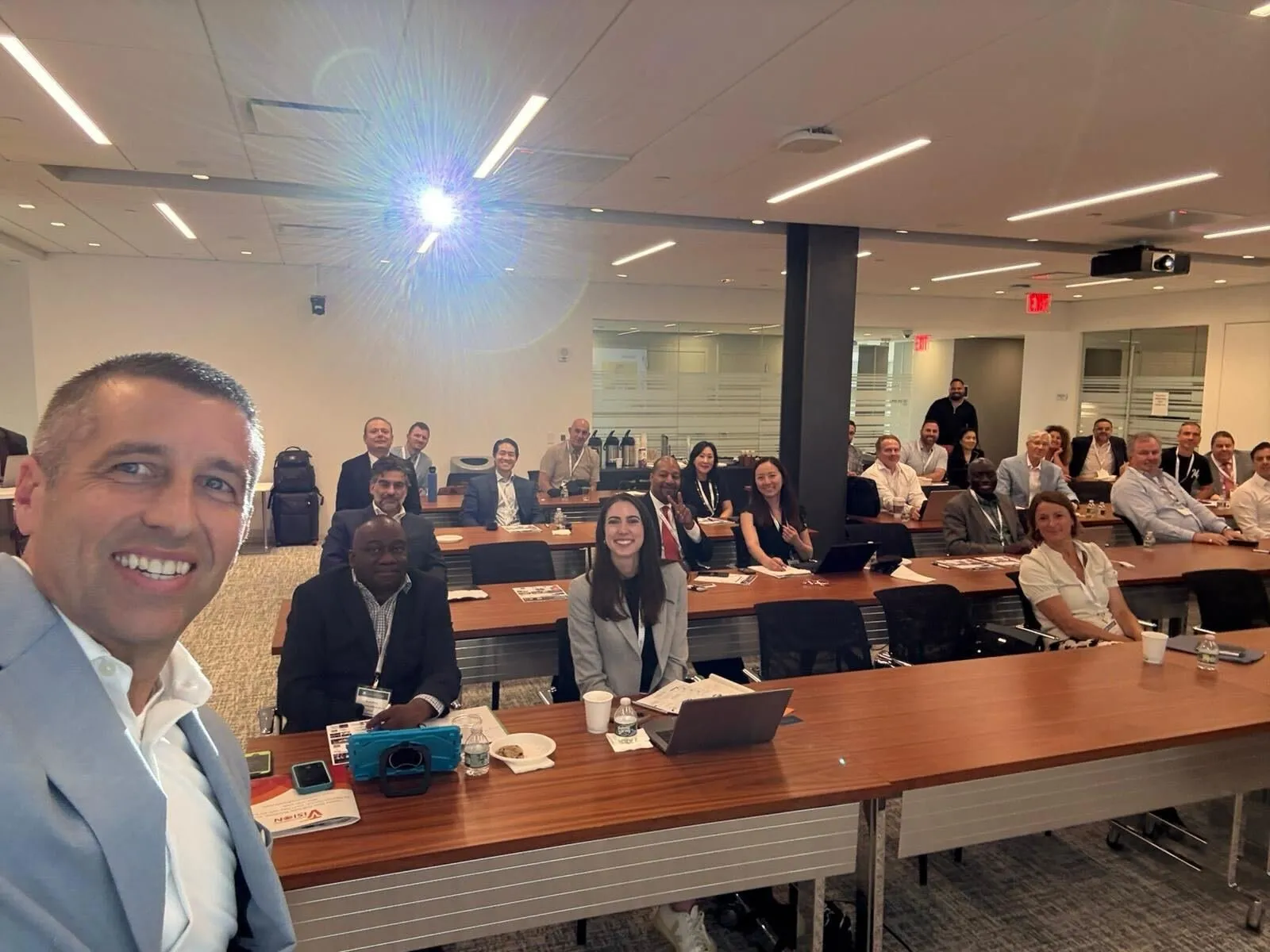
Raising capital requires clear, concise materials. Richard C. Wilson, recording during a family office club workshop in New York, explained, "The more valuable the investor you go after, the less time they have. So your materials need to be very concise."
He advises a 12 to 19 page pitch deck, not 44 pages. A one-page teaser is critical. "A one-sided PDF that tells people what your investment is all about and why it's compelling in two or three different ways. That's super critical."
Branding also matters for credibility. "You want it to look polished and professional... it probably helps on getting taken seriously both by clients and a big bank who ended up investing with them."
Asset allocation and conviction
Real estate often plays a role in a diversified, uncorrelated portfolio. In an interview, Tony Robbins shared advice he received: "If you can find eight to 12 uncorrelated investments that you really believe in, you reduce your risk by 80%... you can't just have public assets, you have to have private equity and or private credit or private real estate assets as well."
High conviction and decisive action are also themes. Paul Karger, who manages 39 different clients with an average net worth of $190 million per client, emphasized in a fireside chat that "you have to be high conviction, move fast, make a decision."
Videos
How John Built a Billion-Dollar Real Estate Platform: John describes how disciplined deal selection and an institutional platform helped his real estate business grow.
How John Built a Billion-Dollar Real Estate Platform: A real estate lender explains the operating choices behind institutional scale.
Grant Cardone on Raising Real Estate Capital Through Social Media: See how Grant Cardone describes his approach to fundraising, investor communication and real estate acquisitions.
How a New York Multifamily Office Approaches Real Estate Debt: See how Damian describes the office's real estate focus, lender criteria and approach to deal fees.
Marcus on Building an Institutional Real Estate Platform: Marcus says his investment framework, operating systems and team helped him earn institutional backing and scale.
Grant Cardone on Social Media and Apartment Deals: Grant Cardone shares his views on reaching investors and competing for large apartment deals.
How a Private Credit Lender Built His Business: How one lender learned the business as a borrower, then grew through local deals, investors, and bank financing.
Questions answered
How does Andrew convert motels into workforce apartments?
Andrew's example of a property already had kitchens and needed cleanup. Existing unit layouts can affect how much conversion work remains.
How did Larry Connor scale an apartment business to billions in assets?
Larry connected the apartment strategy to lessons from his computer business, saying the team brought an operating-business approach to a new industry.
What distressed multifamily deals are investors looking for?
Nick's below-construction-cost example makes the financing gap a signal: a building can be sound and still enter his pipeline when its owner cannot refinance.
How does a family office use data to find commercial real estate investments?
The office says embedded data can help it assess the profitability of individual sites. It hired more data analysts and data scientists than property managers, focusing on retail, medical office, and industrial properties.
What should investors check before buying real estate?
Joe says he spends a week in a town before deciding whether a parcel makes sense, so public data is only part of his check.
How do investors convert motels into workforce housing?
Andrew says his team buys motel units for $40,000 to $60,000 a door where comparable units should go for $120,000 to $140,000. They add multifamily amenities, working with local cities on conversions.
Start with the interviews
Lessons from Richard C. Wilson's one-on-one interviews, as published on each interview page.
- Igor Olenicoff: Learn the business from the ground up. A job at a builders hardware store taught Olenicoff about building materials and techniques. It also built an affinity for real estate.
- Larry Connor: Learn from every mistake. Larry's team owns its failures and makes no excuses. They learn, change quickly, and keep getting better.
- Michael Lee-Chin: Find the person who is responsible. When a problem comes up, he asks who the agent was. He wants a specific person to call, not a department.
Videos
- How John Built a Billion-Dollar Real Estate Platform: John describes how disciplined deal selection and an institutional platform helped his real estate business grow.
- How John Built a Billion-Dollar Real Estate Platform: A real estate lender explains the operating choices behind institutional scale.
- Grant Cardone on Raising Real Estate Capital Through Social Media: See how Grant Cardone describes his approach to fundraising, investor communication and real estate acquisitions.
- How a New York Multifamily Office Approaches Real Estate Debt: See how Damian describes the office's real estate focus, lender criteria and approach to deal fees.
- Marcus on Building an Institutional Real Estate Platform: Marcus says his investment framework, operating systems and team helped him earn institutional backing and scale.
- Grant Cardone on Social Media and Apartment Deals: Grant Cardone shares his views on reaching investors and competing for large apartment deals.
- How a Private Credit Lender Built His Business: How one lender learned the business as a borrower, then grew through local deals, investors, and bank financing.
Questions answered
- How does Andrew convert motels into workforce apartments?: Andrew's example of a property already had kitchens and needed cleanup. Existing unit layouts can affect how much conversion work remains.
- How did Larry Connor scale an apartment business to billions in assets?: Larry connected the apartment strategy to lessons from his computer business, saying the team brought an operating-business approach to a new industry (0:56 and
- What distressed multifamily deals are investors looking for?: Nick's below-construction-cost example makes the financing gap a signal: a building can be sound and still enter his pipeline when its owner cannot refinance. T
- What distressed multifamily deals are investors seeking?: Nick's examples put financing access at the center of the opportunity: a property could be in decent shape and still be priced below construction cost if it cou
- How does a family office use data to find commercial real estate investments?: The office says embedded data can help it assess the profitability of individual sites. It hired more data analysts and data scientists than property managers,
- What should investors check before buying real estate?: Joe says he spends a week in a town before deciding whether a parcel makes sense, so public data is only part of his check.
- How do investors convert motels into workforce housing?: Andrew says his team buys motel units for $40,000 to $60,000 a door where comparable units should go for $120,000 to $140,000. They add multifamily amenities, w